The arrival of the new year has brought an end to the so-called "Iberian Exception," which allowed for lower energy bills. Furthermore, some existing anti-crisis measures have also begun to be phased out, meaning that the Value Added Tax (VAT) on electricity and gas will increase from 5% to 10% in 2024.
The Special Tax on Electricity (IEE) will rise from 0.5% to 2.5% during the first quarter of the year and to 3.8% during the second, before returning to its original rate in the second half of the year (5.1%).
Another new feature regarding taxes in 2024 is the reinstatement of the Tax on the Value of Electricity Production (IVPEE), which will be 3.5% in the first quarter of the year and 5.2% in the second.
These changes could increase our electricity bill by between 6 and 7%, about three euros a month, according to calculations by the Kelisto comparison site.
Meanwhile, the VAT on gas will rise from 5% to 10% in the first quarter of the year and, from April onwards, will return to 21%.
If your home uses biomass heating systems that are alternatives to natural gas, such as pellets or firewood, you should know that their VAT will remain at 10% until June 30th.
How can we minimize the impact of these electricity price increases on our wallets?
We give you seven tips for a 2024 focused on household savings.
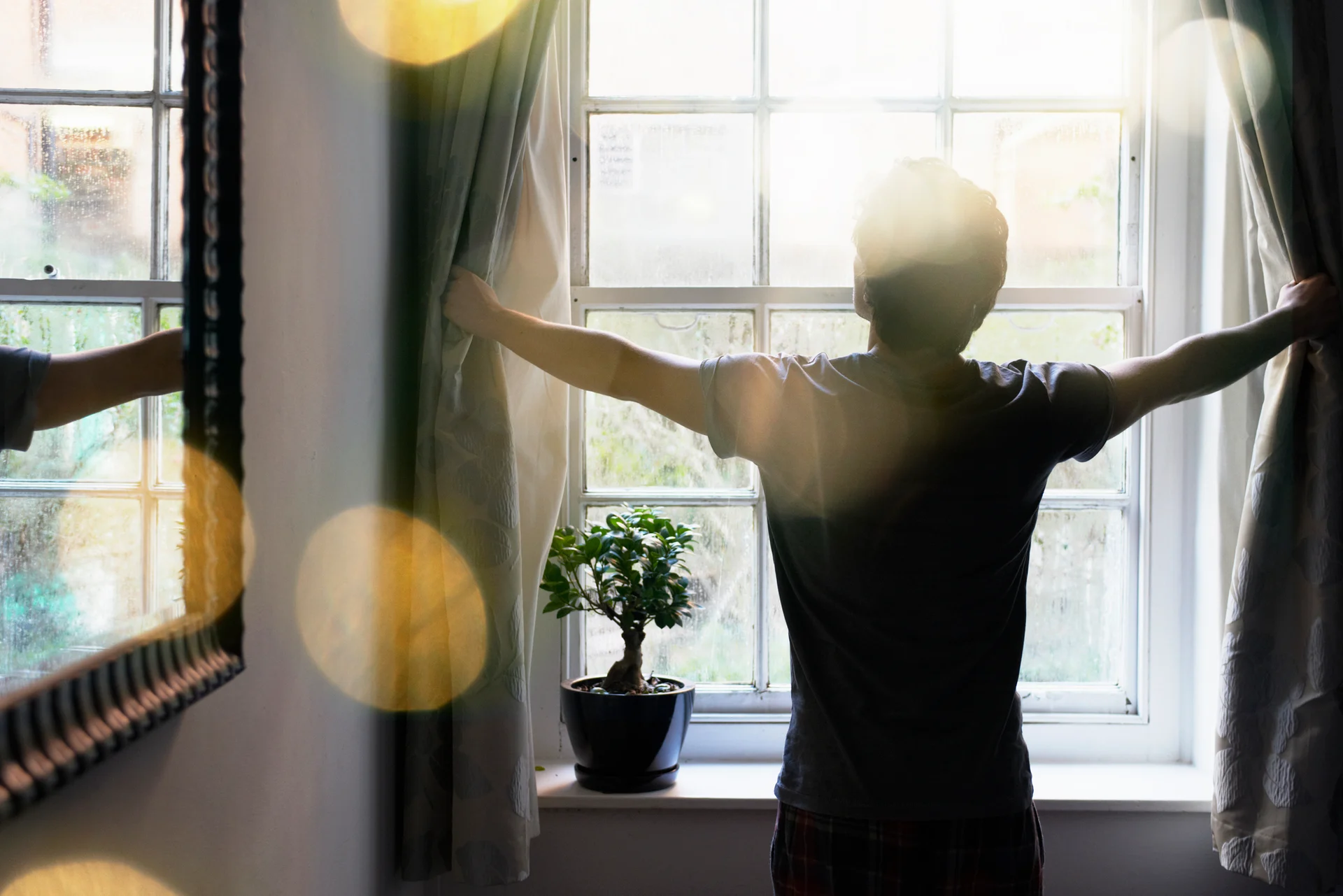
1. Natural light: Make the most of all daylight hours by opening curtains and blinds to let in natural light. Always turn off lights when not in use or not strictly necessary.
2. LED bulbs: The type of light bulb you use significantly impacts your electricity bill. Choosing LED bulbs over incandescent bulbs can save you over 80%, as they require much less energy to operate while providing the same amount of light. They also last much longer: an average of 9 years, compared to a year and a half for traditional bulbs. Furthermore, LED bulbs are more efficient and offer greater savings than halogen or compact fluorescent bulbs.
Another good practice is to reduce the number of light bulbs per room, since often a single lamp has more bulbs than necessary or there are two light sources very close together. You can remove some of these bulbs or, instead of two, use a single, more powerful bulb that consumes less energy.
3. Energy-saving practices for electronic devices: fully charging the battery and using airplane mode, not leaving electrical appliances in standby mode to reduce your bill by 10% per year, or replacing standard screens with LCDs to save up to 37% of energy are some energy-saving tricks for using electronic devices.
4. Actual vs. Contracted Power: Typically, the contracted electrical power is greater than a household's actual consumption needs, resulting in higher costs than are actually required. Therefore, it's advisable to review your contracted electrical power, that is, the number of appliances you can have plugged in simultaneously without tripping the circuit breaker. How? By adding up the total energy consumption of all your household appliances and then contracting the necessary power based on this sum . Electric heating uses a lot of electricity and requires between 1,000 and 2,000W of power, although if it's a low-consumption heater, this drops to 400-800W. The oven, washing machine, and dishwasher are the appliances that require the most power, at 1,200-2,200W, 1,500W, and 2,200W, respectively.
5. Time-of-use pricing: Both households with regulated tariffs (PVPC) and those whose electricity bills are adjusted according to the free market can benefit from time-of-use pricing. This involves concentrating a large part of electricity consumption (at least 30%) within a specific time frame: from 10 pm to 12 pm year-round, and from 11 pm to 1 pm in the summer . These are the best times to run the washing machine or dishwasher, cook, or charge electronic devices, avoiding the typically more expensive hours (2 pm-5 pm and 9 pm-10 pm). For households with PVPC tariffs, it's best to concentrate electricity consumption on weekends, which are usually cheaper.
6. Efficient use of electric heating: the higher the temperature setting, the higher the heating costs. On average, for every degree lower, you save between 7-11% of energy. The ideal temperature is around 19-21 degrees Celsius, and it is recommended not to exceed 16 degrees Celsius at night. In addition, it is advisable to use automatic thermostats for temperature regulation, as well as wearing winter clothing at home and not leaving radiators on in rooms that are not regularly used.
7. Proper use of kitchen appliances: these appliances represent a significant expense on the electricity bill, and with a few simple tricks, this amount can be reduced:
- Avoid overusing the oven for cooking, as it's one of the most energy-intensive appliances. When using it, don't open it repeatedly because it loses heat and uses more energy having to reheat.
- Take advantage of residual heat from the ceramic hob and the fire , turning it off a few minutes before the food is ready.
- Avoid opening and closing the refrigerator too frequently and keep it at a temperature of 5º for refrigeration and -18º for freezing.
- When washing clothes, setting the washing machine to a temperature between 40-60º results in a 40% saving.
How to save on gas in 2024?
While one of the keys to saving on heating is improving the insulation and enclosures of our home or working on the building envelope, taking advantage of the subsidies and aid from the Next Generation EU Funds , you can also implement the practical tips we leave you in the following post.
Incorporating these tricks will help reduce electricity and gas bills, making the 'January financial crunch' more bearable and improving sustainability and energy efficiency to benefit the planet.


