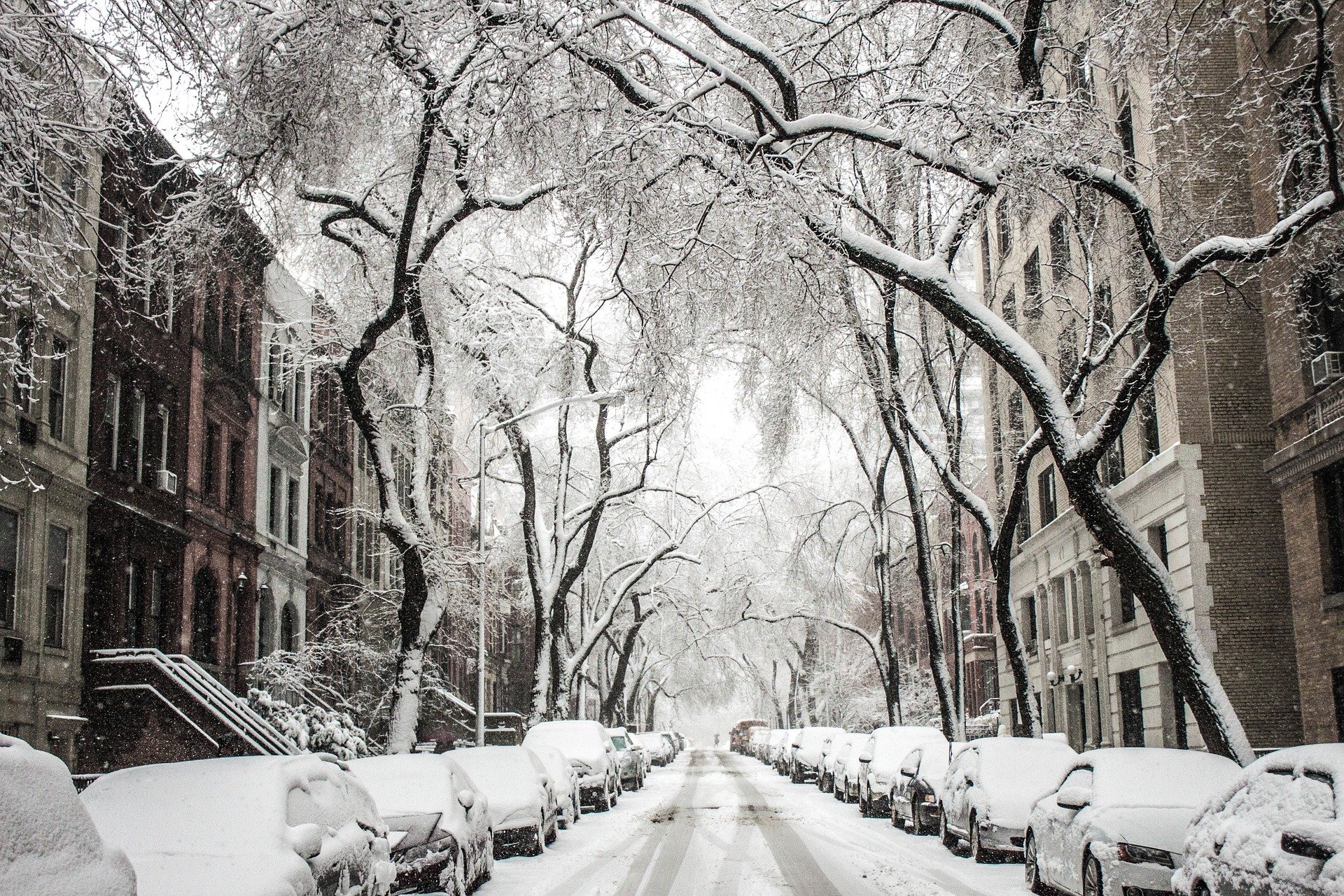
In just one week , 2021 has surprised us with a polar cold front that has affected half of Spain. Storm Filomena has brought the heaviest snowfall in the last 50 years , leaving behind unforgettable scenes and unique moments for some, but also causing power outages, road closures, and isolation for others. To prevent further damage, we bring you these 6 recommendations for weathering the storm in your building.
1. Monitor the condition of the building 's roof
Most buildings can withstand the added weight of snow, but their age and the condition of the materials can lead to problems and create cracks or fissures. If this happens , a qualified technician should assess the situation and, if necessary, evacuate the building.
In the case of historic or outdated buildings, special attention must be paid to the condition of the cornices and decorative elements , which could come loose and cause significant damage.
Another element that may not withstand the weight of snow is damaged gutters or roof tiles on pitched roofs. Snowdrops can form and fall, and tiles or gutters may also become dislodged. If the roof is accessible, it's important to remove these items to prevent them from falling.
Not only are pitched roofs dangerous, but flat roofs and rooftops are too. It's important to take advantage of when the snow is soft to handle it so it doesn't turn into ice and can be removed more easily.
2. Check the amount of snow or ice accumulated in flowerpots or air conditioning units
Pay special attention to snow and ice accumulated on exterior elements that protrude from the building 's facade , such as flowerpots, extended awnings, air conditioning units, or satellite dishes. These items can fall under the weight of snow, as they are not designed to support it, so it is important to remove the snow carefully as much as possible.
3. Prevent slips and falls on pedestrian access points
More and more buildings and homeowners' associations have created access and exit roads, but you have to be careful with snow turned to ice.
Furthermore, special attention must be paid to ramps or slopes , especially those with a steeper incline than the maximum permitted ( 10% when their length is less than 3 m, 8% when the length is less than 6 m, and 6% in all other cases ). In these cases, it is important to keep the ground clean and dry and, if possible, install safety barriers to prevent falls.
4. Keep garage entrances clean
It is recommended to avoid using vehicles, but if there is no other option, we must use snow chains or winter tires. Therefore, it is essential to keep garage entrances clear, especially the driveway.
5. Prevent installations from freezing
Low temperatures can cause pipes to crack or split while frozen, interrupting the water supply to your home and leading to one of the most expensive home repairs. To prevent this problem , regularly check the door of the cabinet where your water meter is located . It should be tightly closed to prevent any contact with the outside air. You can protect the cabinet opening with insulating material such as wool or fiberglass, leaving the meter face visible.
If it is too late to take preventive measures because the installation has already frozen, follow these recommendations: do not force the shut-off valve; apply heat to the installation, but never with direct flame.
6. Pay special attention to trees and landscaped areas
News reports have shown us how dangerous snow accumulation on trees can be, as it can cause branches to fall on cars or people. If possible, we should remove any branches that pose a risk of falling.
It is important to act quickly, before the temperatures drop and the snow turns to ice, making these tasks difficult. In case of extreme emergencies, contact 112, bearing in mind that the current situation is very delicate and emergency services are overwhelmed.
Did you find these tips helpful? Check out our seven key ways to save on your electricity bill.


