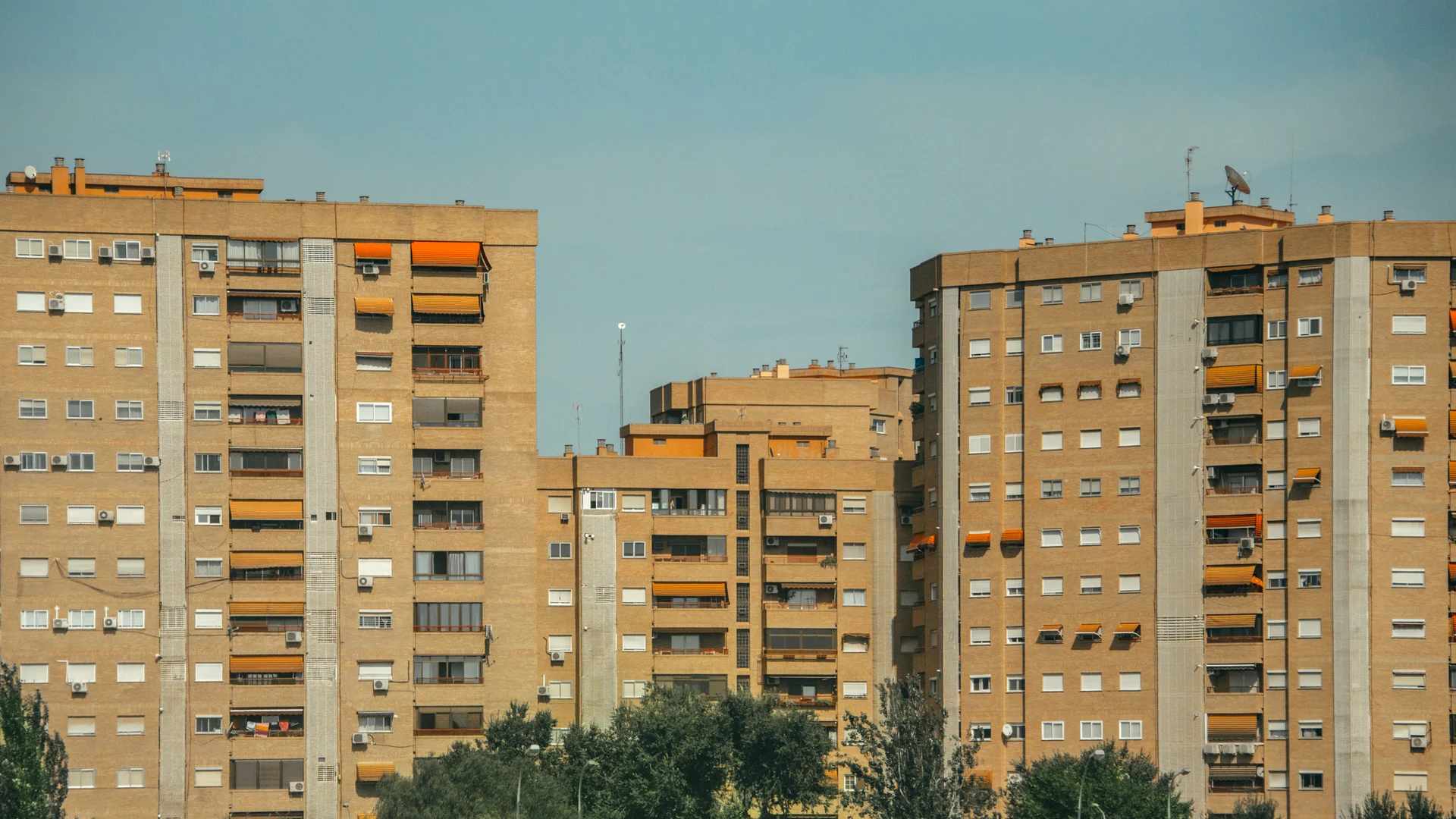
The Government has recently extended until the end of 2024 the deductions in the IRPF for home renovation.
This is a measure that was in force until 2013 and was promoted again in 2021, but this time framed within the Recovery, Transformation and Resilience Plan, which seeks to promote the rehabilitation and improvement of energy efficiency in buildings in our country, achieving more than half a million actions until 2026.
Improve the built environment
Eighty percent of buildings in our country are energy inefficient, and most have an energy rating of E, F, or G (the worst possible). Furthermore, homes are the third largest source of CO2 emissions, after industry and transportation.
Although the pandemic and the increase in teleworking at home boosted interest in improving living conditions and reducing energy expenditure, the push to renovate the building stock is part of Spain and Europe's commitment to the decarbonization and energy efficiency goals set to achieve a climate-neutral continent by 2050.
Incentives to improve energy efficiency
Under the measures, taxpayers will be able to access tax deductions of up to 60% of the amounts invested in rehabilitation works provided that energy consumption is reduced.
It is important to note that the regulations, set out in Royal Decree-Law 19/2021, of October 5, distinguish between three different levels of deduction, 20%, 40% or 60%, depending on the improvements made to the home, such as the reduction of cooling and heating demand, the improvement of non-renewable primary energy consumption and the rehabilitation of buildings.
20% Deductions
This deduction will be available to those owners who have carried out works that reduce the demand for heating and cooling in their property by at least 7%, with a maximum of 5,000 euros per dwelling.
40% Deductions
In this case, there are two options: firstly, projects that reduce non-renewable primary energy consumption by at least 30%. Secondly, renovations that raise the energy rating to A or B after the renovation. In either case, the maximum deduction will not exceed €7,500 per property.
60% Deductions
These deductions are intended for renovations that improve energy efficiency in entire residential buildings.
Applicable to primary residences or rental properties
In any case, homeowners can deduct the cost from their income tax return whether the renovation was carried out on their primary residence or if they use (or expect to use) it as a rental property. However, to qualify for the deduction if the property is to be rented out, it must be leased before December 31, 2024.
The Energy Efficiency Certificate is essential
It is important to note that in order to apply the deductions and verify the reduction in energy demand or consumption, it will be necessary to have an energy certificate both at the beginning and at the end of the work.
The possibility of benefiting from these deductions provides a significant incentive for improving the existing building stock. In addition to their economic importance, these measures have a direct impact on sustainability and reducing household carbon footprints.


