Are you familiar with the term "ecomobility"? We're sure that, without realizing it, the way you get around has changed over the last few years. We also know that getting around in a city is not the same as getting around in smaller towns. Is it possible that getting around sustainably in these smaller towns is more complicated?
What is ecomobility?
To talk about 'ecomobility' it is necessary to talk about the terms mobility and sustainability.
Sustainable mobility encompasses a set of processes and actions aimed at achieving the rational use of transportation. Clearly, achieving this requires a collective effort. Sustainable mobility must be a priority for both government and citizens. Ecomobility takes this into account and, in fact, can be synonymous with sustainable mobility.
Ecomobility merges 'ecology' and 'transport'. It encompasses those systems of means that move people and things from one place to another, taking into account their impact on the environment.
At the World Congress on Mobility for the Future held in 2011, the publication Periodismo Humano reported that “ecomobility is not just about walking, cycling, or using public transport. It’s about these systems working together: the key is connectivity.” Ecomobility is gaining traction thanks to the commitment we are making in Europe with projects such as the 2030 Agenda and the Sustainable Development Goals.
Urban transport
Clearly, urban transport is a fundamental pillar of ecomobility. A good transport network makes its use much more appealing. To achieve this, incentives must be created to make it a more attractive option.
In large cities, this is already more ingrained, and beyond environmental awareness, public transport is a great way to avoid traffic jams and not be late for appointments. But what about in rural areas?
It's important to keep in mind that travel is sustainable to the extent that it's useful. Therefore, a good option is to provide services nearby, minimizing the need to travel further, or even allowing the journey to be made on foot. If we want to achieve this, proper territorial planning is crucial, and of course, land use must be adequately regulated.
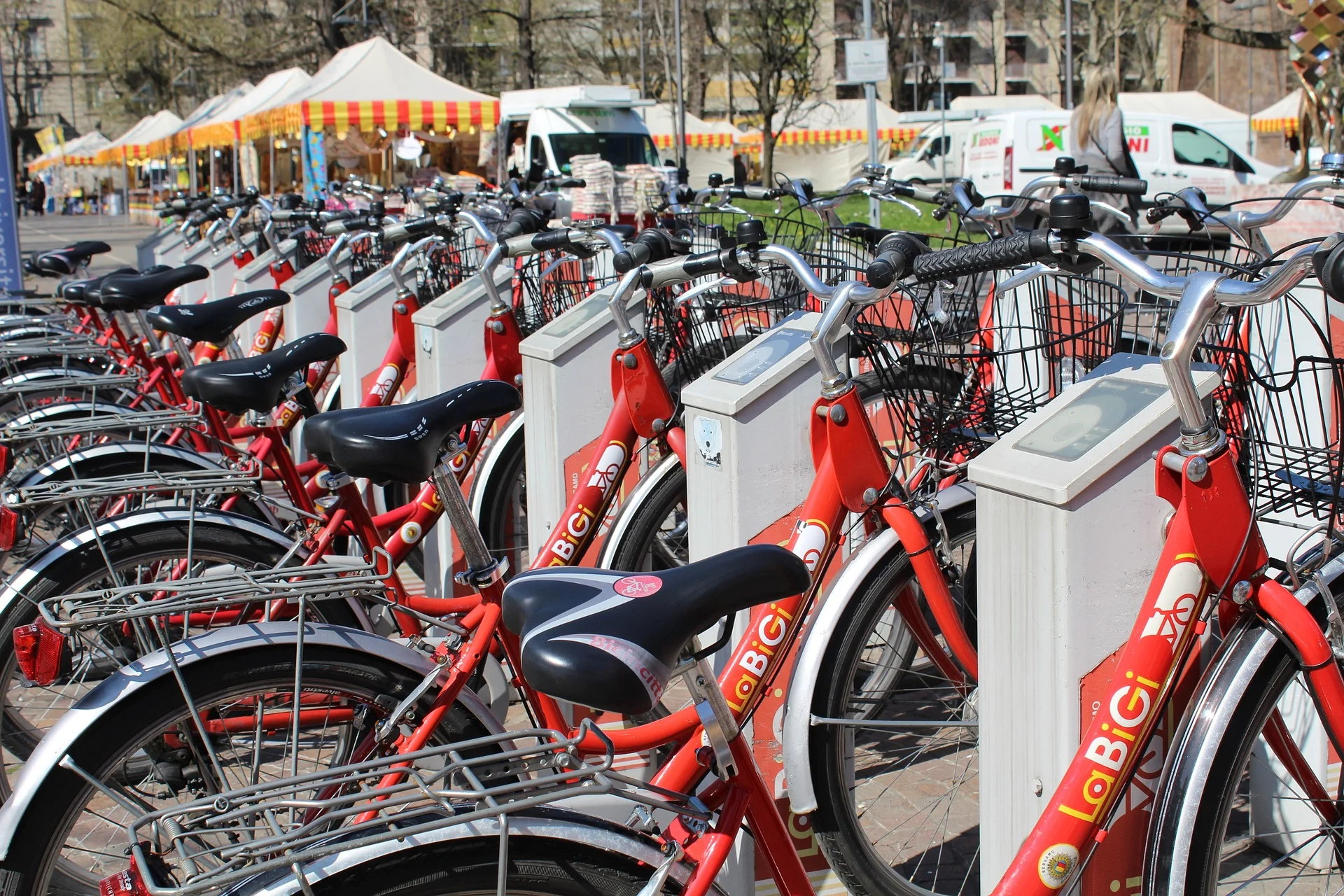
Good options for ecomobility in a town include walking or cycling. Mobility on wheels is a reality. Public bike-sharing systems have gradually gained popularity in Spain, and this, combined with the boom in bike lanes, has made cycling an attractive mode of transport.
In northern European countries, the use of designated routes to school for children is common. This also exists in our country, however, it is not an option that has caught on as widely.
Something that is already being done in many places, due to reasons such as geographical dispersion, is to take advantage of school bus trips as a means of transport for older residents of the area, who often have difficulty finding alternative means of transportation.
More examples of ecomobility
There are more options besides public transport. Here are a few that will help you benefit the environment.
- Carsharing systems : This system promotes optimal, necessary, and occasional driving. The idea is to have a rental car available at any time with a flexible service. The driver will reduce unnecessary expenses and CO2 emissions for each person who uses the vehicle. Furthermore, the main advantage of these vehicles is that they are electric, further reducing the pollution they generate. If you're a motorcyclist, you can opt for electric scooter services in the city, such as Cooltra.
- Pedestrian zones: pedestrianizing neighborhoods means prioritizing pedestrians in urban centers, giving them priority over cars. This offers numerous advantages, including improved pedestrian mobility, a better quality of life, and reduced pollution levels. In large cities, such as Madrid, this system is implemented on many streets.
Episodes of high pollution
The combination of a lack of rain and high concentrations of nitrogen dioxide (NO2) has often forced European cities like Madrid to activate their high pollution protocols.
What are these measures? They include restricting traffic and parking in various areas on days when pollution levels are dangerous. Public transportation systems are also being reinforced to discourage people from using their private cars.
As you can see, ecomobility offers a number of advantages for everyone . If you're still one of those who uses their car as their only form of transportation, we hope this post has at least given you something to think about. Change is possible!


