March 5th is World Energy Efficiency Day. In Spain, 40% of homeowners are unaware of their home's energy performance certificate. Are you among them?
Two out of every three homes in Spain are over 30 years old, according to the latest data from the National Institute of Statistics (INE). This figure means that Spain's housing stock is aging and inefficient in terms of energy consumption. We all need to reflect on this. Housing is already the third largest source of CO2 emissions in Spain, according to the International Energy Agency. Furthermore, four out of every five buildings are not energy efficient.
March 5: World Energy Efficiency Day
Energy Efficiency Day is an opportunity to reflect on and raise awareness about efficient energy consumption in all areas, including at home. This awareness is vital in the Spanish real estate sector. In most cases, there is a lack of energy knowledge among both owners and tenants.
Our report , 'The Path to Sustainability at Home,' reveals worrying figures. 40% of Spanish homeowners are unaware of their home's energy performance certificate. However, the majority (88%) have heard of it, according to our report.
But despite this lack of awareness, 9 out of 10 homeowners in Spain believe they have a fairly efficient home. 34% of homeowners consider their home to be very efficient, and 55% consider it fairly efficient. Therefore, only 11% are in line with reality and believe their home does not meet optimal energy efficiency standards.
Energy situation of the building stock in Spain
The optimism and lack of awareness shown by those surveyed contrasts sharply with the reality of Spain's building stock. The latest data from the Ministry for Ecological Transition indicates that only 5% of residential buildings in Spain have a good energy efficiency certificate. This means an A, B, or C rating on the efficiency scale.
The energy efficiency scale ranges from A (highest efficiency) to F (lowest efficiency).
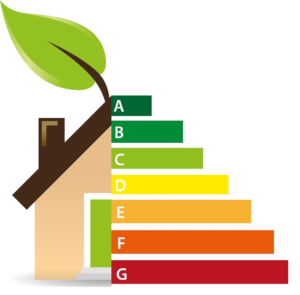
The energy certificate reflects the energy consumption and demand of a property, taking into account various variables such as:
- Ventilation systems
- The lighting
- The heating
- Hot water
According to Cátia Alves, our sustainability director, "in recent years these variables have become key information needed in any type of real estate transaction."
An energy performance certificate is mandatory for selling a property according to Royal Decree 235/2013 and also for holiday rentals according to Royal Decree 390/2021. This document also offers advantages. " There are subsidies that allow homeowners to deduct between 20% and 60% of their income tax (IRPF) for renovations aimed at improving energy efficiency. To apply for these subsidies, it is necessary to present an energy performance certificate before and after the work," explains the Director of Corporate Social Responsibility and Sustainability at UCI.
Reforms and savings
Among the home energy efficiency improvements that are mainly carried out in second-hand homes, the following stand out:
- The installation of alternative heating sources, such as heat pumps, which can produce between two and five times more energy than they consume, is replacing more traditional methods like gas boilers, which only produce about 0.9 times more energy than they consume.
- The installation of green energy sources, such as photovoltaic panels, capable of generating savings of 3,000 euros per year.
“Homeowners looking to rent or sell an apartment shouldn't forget that its energy performance certificate can be a deciding factor in finding a buyer or tenant. This certification greatly influences the comfort of the property and its energy-saving potential. The financial benefits will be noticeable in the medium to long term,” says Alves, who continues: “Energy-efficient renovations are a good way to increase property value. And even more so in a country where 95% of homes are energy inefficient.”
Indeed, Brussels is also increasingly pushing for energy efficiency and home renovations. The European Commission's 'Fit for 55' program aims to reduce harmful emissions by 55% by 2030. This strategy seeks to legislate and incentivize renovations of inefficient homes.
The future of energy efficiency in housing
Raising awareness about the importance of energy efficiency in homes is essential for achieving the SDGs and environmental improvement. Cátia Alves, Director of CSR and Sustainability at UCI, concludes by pointing out that “having a home with a high energy certificate is synonymous with comfort, energy and cost savings, and helps the environment. People themselves will look for ways to acquire efficient homes or renovate their current homes to promote sustainability. Especially now with the imminent arrival of European funds for energy-efficient home renovations.”


