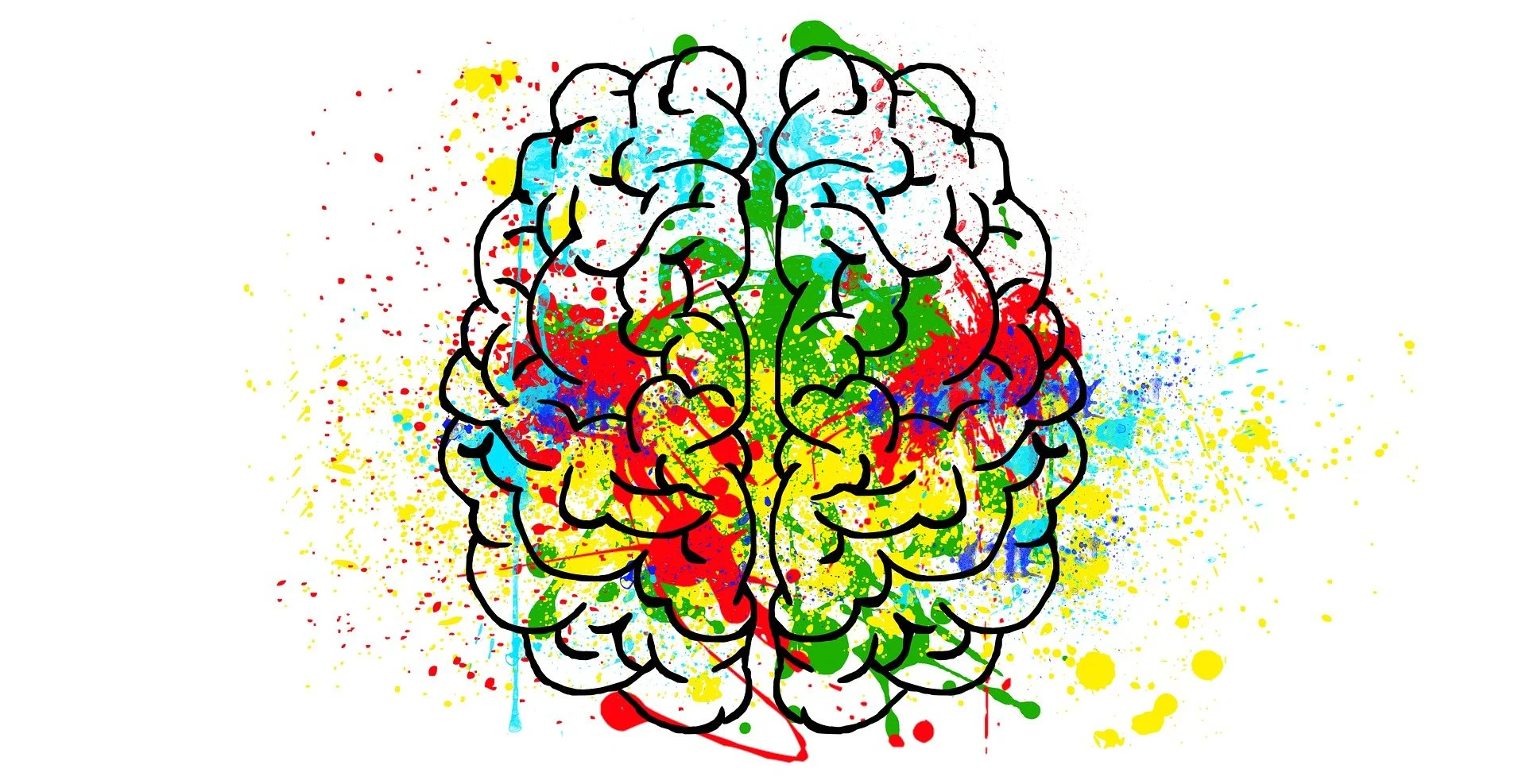
It's been proven time and again that the colors of your home affect your emotions and mental state. Color psychology studies the effect of color on human perception and behavior. The blog Economipedia defines color psychology as " the study and investigation of how colors affect human behavior and an individual's perceptions of them."
Color psychology is a branch of psychology and is therefore considered a medical science. However, in many fields it is seen as an underdeveloped discipline . This is not the case in areas such as fashion and advertising, where brands have been able to understand the impact of color on consumers.
The color of your home
Feel the colors when you enter your home. Color has the power to stimulate, to create joy or sadness. The first major classification we'll make is between warm and cool colors. Each color is best suited to a particular room depending on the feeling you want it to evoke when you're in it.
Warm decor
Red
Red is passion, strength, and danger. It can be a great choice for your bedroom if you want it to be a more romantic and passionate space. It's a color that, when combined well or used in small amounts, creates a feeling of comfort and warmth. But be careful with the proportions! It can make a space look smaller than it actually is. It will make rooms appear intense and striking.
Orange
This color represents joy, enthusiasm, and fun. Ideal for rooms where you want to have a good time. Children's rooms, teenagers' bedrooms, or dining rooms where you want to spend quality time with friends. For large surfaces, it's best to soften its intensity and opt for pastel and salmon tones.
Yellow
Yellow represents light, energy, and optimism. Its uses are incredibly versatile: large kitchens, living rooms, or children's bedrooms. Like orange, it will create pleasant and uplifting spaces in your home. It's an energetic color, so it will boost your self-confidence and reduce feelings of sadness.
Cold decoration
Blue
Although it's a cool color, blue represents freshness, mental calm, and peace. If you're looking for serenity, it's the color for you. It's ideal for spaces where you want to relax and unwind from the hustle and bustle of daily life, such as your bedroom. But be careful! Opt for lighter shades; they'll have a more calming effect. Too much blue can be overwhelming.
In fact, blue is one of the most popular choices for bathrooms because of the calm and serenity it evokes.
Green
Hope, health, and ecology. We recommend incorporating this color in small doses in those corners of your home where it's appropriate. You can do this by placing plants in the corners or flowers on the table.
Similarly, greenery in your home will give you a sense of stability and calm. As a tip, use it in sunny rooms; it will make them more comforting.
Purple
Glamour, sophistication, and elegance. When combined well, they can evoke mystery. This is why it's a color you can choose for your bedroom. If you combine it with warm colors, it will create a more vibrant atmosphere. It can also be the perfect color for a dining room for more formal gatherings, where you want a serious tone to prevail.
Do you like neutral colors?
White
The absence of color, or the lightest neutral color, is a symbol of purity and innocence in Western cultures, and therefore brings peace. It conveys a sense of cleanliness, minimalism, and purity. If you're looking to relax, it's a great option for your bedroom or a small living room you use to unwind. It invites rest. Furthermore, white is currently trending thanks to the Nordic style, which emphasizes introducing touches of color, generally from the same color family. These small touches are necessary to create balance; going all-white can make a space feel excessively cold.
Grey
Gray is considered a transition between black and white. Alongside white, gray also emerges as a key element in home decor. The result is a space that brings tranquility. However, depending on the culture and the specific shade of gray, it can be perceived as indecisive or mediocre. It can even make you feel sad and uninspired.
Black
Black also has various interpretations. In fashion, it is, par excellence, the color of elegance. If you're hesitant to introduce black into your home, you can start by adding small touches. One option is to use it in your living room through individual pieces of furniture such as an armchair or a floor lamp.
A well-executed black and white combination is a sure bet for your kitchen. It will give you a distinctive space that will stand out from the rest of the house.
If you're someone who believes that nothing ventured, nothing gained, would you dare to paint your bedroom walls black? Just keep in mind that to create a warm space you'll need key elements like white bedding or mirrors that reflect light.
Now that you know all about how colors can affect you, it's time to choose. Beyond the aesthetics of the decor, you should create spaces that reflect your personality and where you feel comfortable. Make your home your sanctuary by considering the psychology of color.


