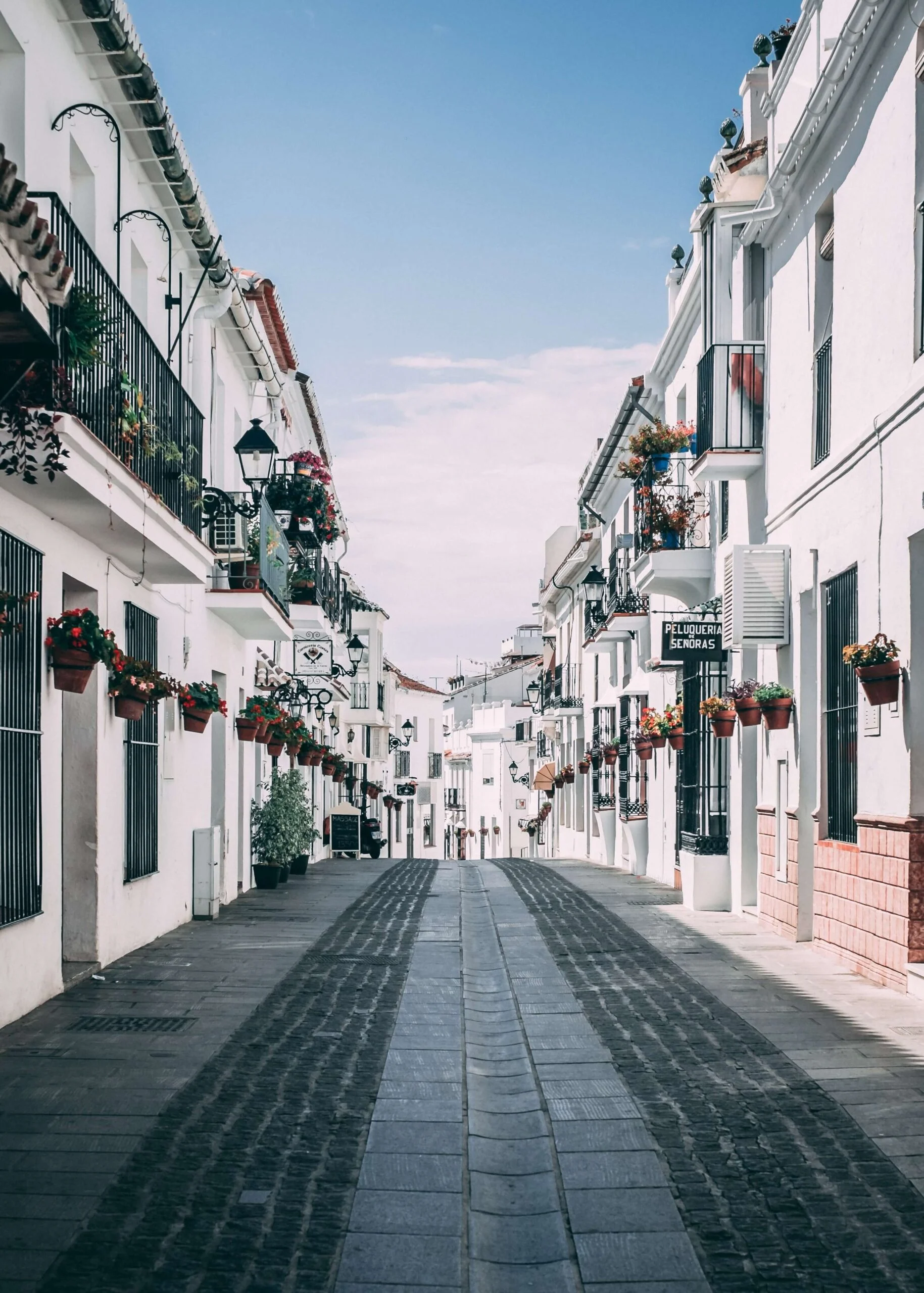
Our country is a top tourist destination, and many of the foreigners who visit us in the summer end up buying a second home in one of the coastal provinces. So much so that sales to foreigners skyrocketed by 45% in 2022, reaching 88,800 transactions, according to data from the Land Registry. The figures for 2023 are optimistic, considering that the same organization reports 23,380 transactions by foreigners during the first quarter of the year.
Despite rising interest rates, this optimism stems primarily from key factors such as the attractiveness of our country and our quality of life, profitability, and the fact that our market is a safe haven and stable investment destination. Other contributing factors include tax benefits like the "Golden Visa" for investments exceeding half a million euros and the opening of new transportation routes. In fact, a study by the platform MoverDB.com indicates that Spanish properties are the most sought-after internationally.
While many of these non-resident buyers access housing with their own savings, one of the most sought-after solutions is mortgages for non-residents, loans that entities grant to people with tax domicile in another country.
As our regional director, Dylan Leworthy, explains: “Although it largely depends on the country of origin, it is common for non-residents to apply for loans in Spain.” The reason is that “financial institutions in the country of origin would find it difficult to enforce the loan, so they are not usually open to this type of transaction.”
In Spain , these mortgages can be found in most financial institutions except for "aspects such as coming from a country that is considered a tax haven, where there is a lot of economic instability or an armed conflict, as these are considered high risk for the bank, which will protect its interests," says Leworthy.
New profile of the non-resident mortgage holder
At UCI, we've noticed changes in the demand from these buyers. While their nationalities are varied, and British, German, French, and Belgian buyers still lead the way, buyers from the United States have made a strong showing this year.
Furthermore, changes are also being seen in the profile of buyers since, although the most common profile has always been that of a person in their 50s or 60s, married with children, with a high level of education and an annual income of more than 60,000 euros, younger buyers who practice "working anywhere" are making their way in.
“After the pandemic we are seeing many younger buyers taking advantage of the fact that they can work remotely, and in this way they do not have to wait until their retirement to fulfill their dream of spending long periods on the Spanish coasts.”
What are mortgage terms for non-residents?
Regarding the characteristics of a mortgage for non-residents, the maximum financing percentage does not usually exceed 70% of the appraised or purchase value of the property, in addition to offering a repayment period of around 30 years, although there are exceptions.
In addition to requiring a high level of savings, "mortgage interest rates for non-residents are always higher than for foreigners who reside in the country," reveals Leworthy, who recommends "comparing mortgage offers and studying them in detail, paying special attention to linked products, which can significantly increase the APR."


