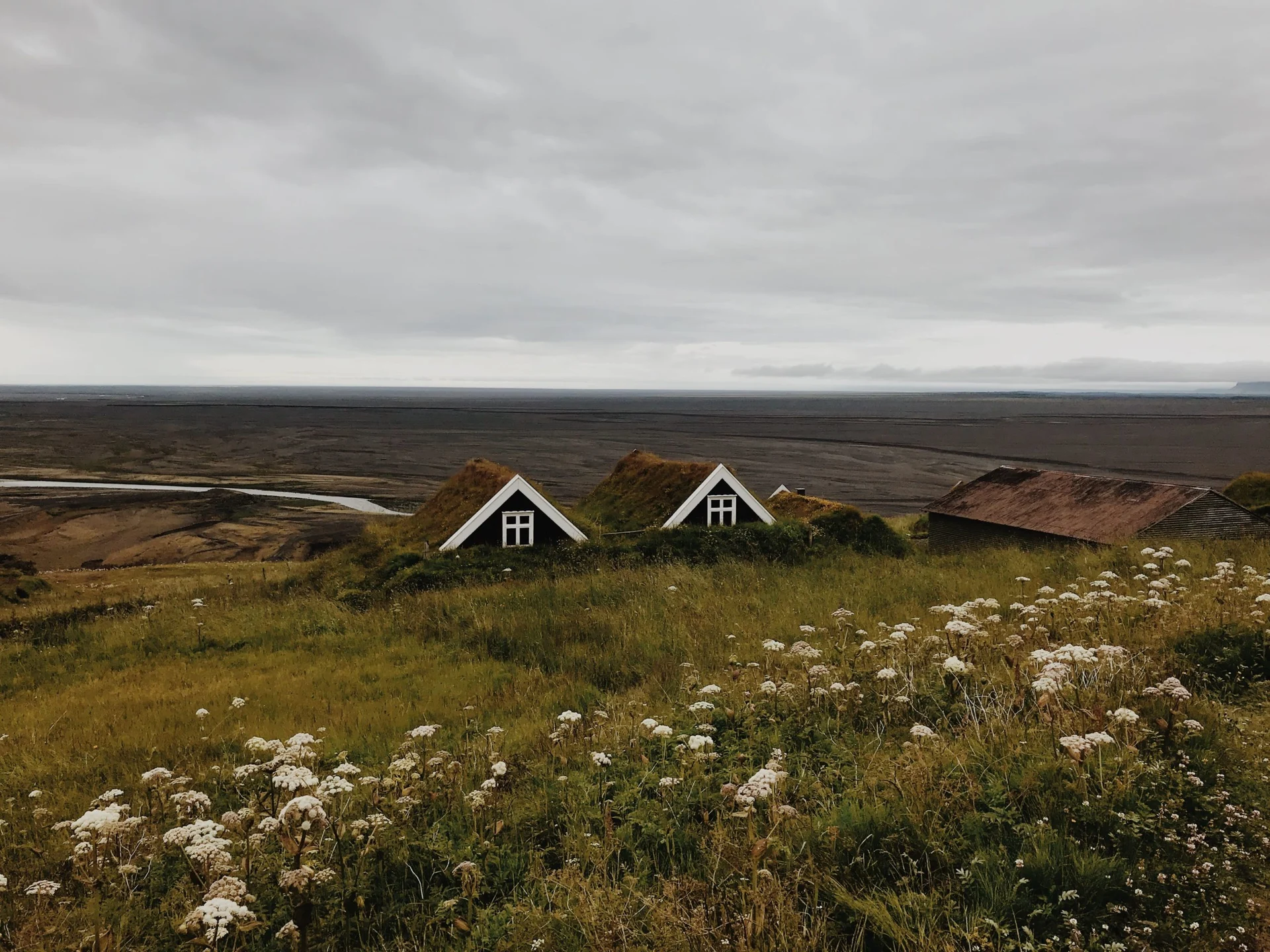
Green roofs are a crucial component of the sustainable urban development we all strive for. Thanks to their advantages, they offer numerous benefits to the urban environment and society. Energy efficiency in buildings is aligned with the Sustainable Development Goals set by the European Union, goals to which we are committed.
What are green roofs?
A green roof is a system added to a building's roof to create vegetation. They are also known as living roofs, green roofs, or ecological roofs.
Depending on the type of roof installed, the plants can be modular or have drainage layers. However, both types share two common characteristics: waterproofing and root repellency. Both allow for safe maintenance of the structure and prevent potential future damage.
Extensive Coverages VS Intensive Coverages
The most common classification of green roof types is:
- Extensive ground covers : Thickness up to 10-12 cm, low weight and low-growing plants such as Sedum, turfgrasses, grasses, etc.
- Intensive covers: Thickness from 12-15cm, high weight and plants without size limitations.
However, some companies do not consider this classification entirely appropriate in Spain, and instead divide green roofs into accessible and non-accessible categories. This is the case with SingularGreen , experts in green roof installations.
Finally, if you're considering a green roof for your home, there are some things you should ask yourself. Do you want it to be walkable, decorative to enhance the building's appearance, or to provide significant environmental benefits?
Benefits of green roofs
The benefits of installing a green roof are numerous. Here are some of them:
- It reduces the need to manage accumulated rainwater. For this reason, water consumption is balanced by the use of that accumulated rainwater.
- Energy efficiency increases. Green roofs have lower thermal transmission and greater thermal inertia than conventional roofs, resulting in better insulation.
- It prevents the spread of pollution and dust. It also captures pollutants from the air. In numbers:
- 1 m2 of vegetation cover generates the oxygen required by one person for the entire year.
- 1 m2 of vegetation cover traps 130 grams of dust per year.
- A 60 m2 roof carrying these systems filters 40 tons of harmful gases per year.
- It reduces the amount of noise . The green roof creates a natural barrier against noise. An extensive green roof can reduce noise by up to 40 dB, while an intensive one can reduce it by up to 50 dB.
- Green roofs save people money. They help maintain stable temperatures in both winter and summer, thus minimizing the need for heating and air conditioning.


