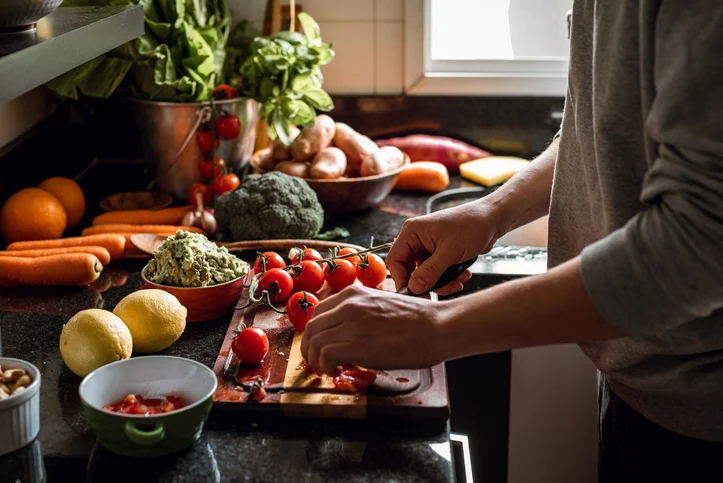
Eating a healthy and sustainable diet is essential for our health and the planet. In recent years, there has been a growing awareness of the importance of choosing foods that are good for us and the environment. In this article, we offer five tips to help you improve your diet in a healthy and sustainable way.
Goodbye processed foods, hello real food
One of the keys to a healthy and sustainable diet is choosing whole, natural, and unprocessed foods. Whole foods include fruits, vegetables, whole grains, legumes, and nuts. These foods are rich in nutrients and fiber and are often more affordable than processed and ultra-processed foods.
What is the difference between processed and ultra-processed foods?
- Processed foods are those that have undergone some degree of industrial processing or changes that alter their nature, such as the addition of fat, salt, sugar, or additives, before reaching our tables. For example, cured meats, sausages, and canned goods would fall into this category.
- Ultra-processed foods are those typically made from industrial ingredients, with very small amounts of natural ingredients. They are usually appealing, have a long shelf life, and are often ready to eat. Examples include potato chips, snacks, jams, pastries, sausages, nuggets, etc.
Seasonal foods
Another way to improve your diet in a healthy and sustainable way is to choose seasonal and locally sourced foods.
Food that is grown and produced locally is usually fresher and has better nutrients than food imported from other parts of the world. Furthermore, by choosing seasonal foods, we can reduce the carbon footprint of our diet and support local farmers.
Reduce consumption of meat and animal products
It's also advisable to consider the amount of meat and animal products we consume. Meat and animal product production is one of the world's leading sources of greenhouse gas emissions, so reducing our consumption can have a significant impact on lowering our diet's carbon footprint.
Organic
Another way to improve your diet in a healthy and sustainable way is to choose organic and pesticide-free foods. Organic foods are healthier for the environment and for us, as they don't contain toxic pesticides that can have negative effects on our health and that wipe out important species like bees.
Stop food waste
Food waste is a major problem worldwide, and by reducing the amount of food we waste, we can save money and reduce the amount of waste we produce. Some ways to reduce food waste include planning meals in advance, storing food properly, and using leftovers creatively.
Finally, it's important to remember that healthy and sustainable eating isn't just about the foods we choose to eat, but also how we prepare and consume them. It's important to cook at home with fresh, whole ingredients instead of relying on processed and pre-packaged foods. Furthermore, it's important to eat in moderation and enjoy our meals rather than overeating or eating on the go.
In conclusion, there are many ways to improve our diet in a healthy and sustainable way. By choosing whole, unprocessed foods, local and seasonal foods, reducing our consumption of meat and animal products, choosing organic and pesticide-free foods, reducing food waste, and cooking at home with fresh ingredients, we can improve our health and reduce our carbon footprint.


