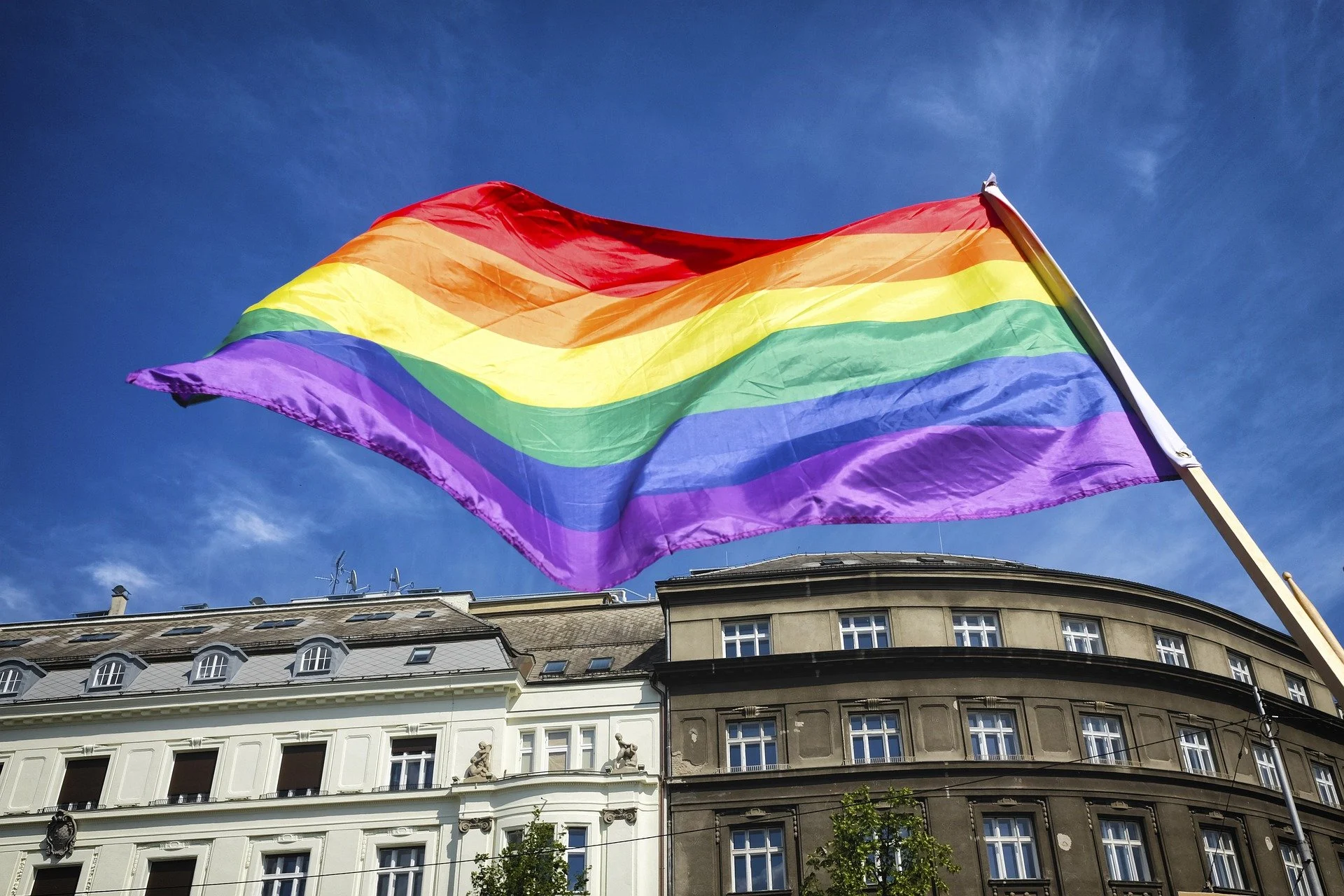
In our daily lives, we encounter many people, and we may sometimes prejudge them based on their sexual orientation. We refer inclusively to the full diversity of sexes, sexual orientations, and gender identities, using language that does not segregate, discriminate, or criminalize, and that contributes to eliminating social prejudices against LGBTQ+ people.
Proposals to be inclusive and promote LGBTQ+ diversity
- It makes the LGBTIQ+ community visible : respecting the individual decision to do so or not when it comes to specific people.
- Avoid using a person's condition when the information is unrelated to that fact. Otherwise, the meaning of the sentence is lost.
- Don't assume that everyone is heterosexual. Accept the diverse family structures as perfectly normal.
- Avoid pathologizing terms that refer to health problems. Society is wrong when it associates gender identity with a particular body type.
- Respect self-determination : of people with respect to their sexual orientation, gender identity and/or expression.
Glossary on LGBTIQ+ diversity
- Sex : Set of biological characteristics related to the body with which we are born (genitals, hormones, chromosomes)
- Intersex : Having physical characteristics of both sexes, male and female.
- Gender : A set of culturally derived characteristics relating to patterns of behavior and identity on the basis of which the distinction between men and women is socially established.
- Gender identity : Refers to the perception that a subject has about their own gender, without taking into account what their biological sex is.
- Gender expression : Physical representation of gender, which may or may not coincide with gender identity.
- Cisgender : A person whose gender matches their biological sex assigned at birth.
- Trans person : A person whose gender does not match their biological sex assigned at birth.
- Gender binarism : Refers to the traditional, also called binary, forms of gender: man and woman.
- Non-binary people : A term that encompasses all gender identities that go beyond male or female.
- Sexual orientation : This refers to the emotional and/or sexual attraction that people feel towards other people.
- Homosexual: A person who is attracted to the same gender (lesbians and gays) .
- Bisexual : Sexual orientation of those who feel romantic, emotional and/or sexual attraction to more than one gender, whether their own or different .


