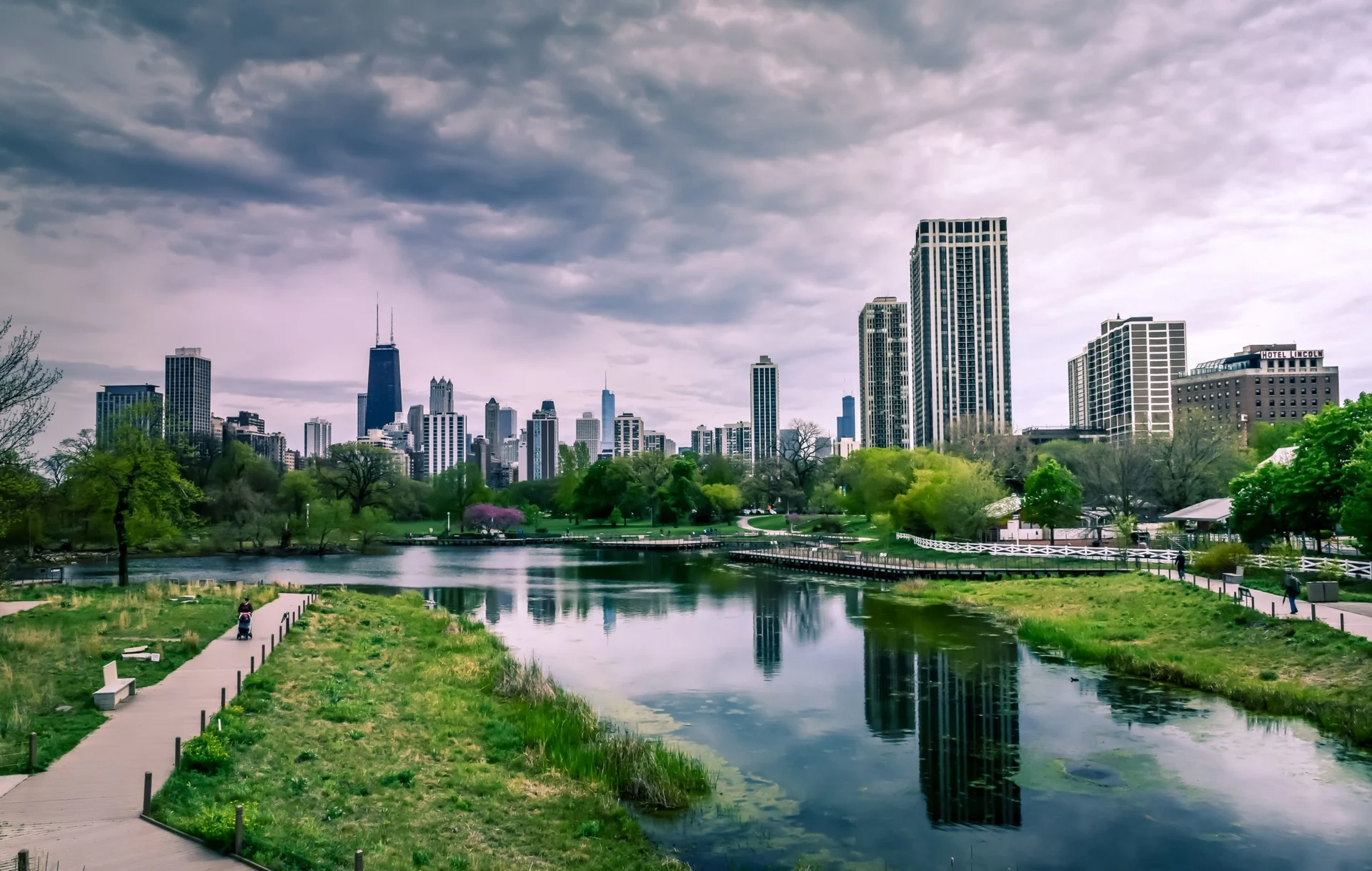
To mark World Architecture Day, the need to steer architecture towards more sustainable practices has once again been brought to the forefront. Buildings must be spaces that guarantee the comfort and safety of people, as well as respect for the environment and the planet. Improvements in architecture involve a transition that includes correcting structures and insulation, and adapting spaces to the evolving needs of society.
The term
According to the Spanish Association for Quality (AEC), sustainable architecture "is that which takes into account the impact a building will have throughout its entire life cycle, from construction, through use, and to its final demolition." It assesses the resources it will use, the water and energy consumption of its users, and the potential waste it will generate.
All these features will be possible under compliance with Royal Decree 314/2006, of March 17, which approves the Technical Building Code. This decree establishes the basic quality parameters adapted to the new demands of citizens.
The 'Renovation wave'
The European Commission (EC) has published the Renovation Wave, its strategy to improve the energy efficiency of buildings. Its aim is to at least double the renovation rate over the next ten years, thereby ensuring greater energy and resource efficiency .
In line with the SDGs for 2030, 35 million buildings could be rehabilitated and up to 160,000 additional green jobs could be created in the construction sector.
The Renovation Wave has three lines of action:
- Decarbonizing heating and cooling.
- The fight against energy poverty and the improvement of less efficient buildings.
- The renovation of public buildings, such as schools, hospitals, and administrative buildings.
EC Strategies
Once the guidelines were determined, the EC established six main strategies:
- Robust regulations, standards, and information on the energy performance and efficiency of buildings. This includes, firstly, the gradual introduction of mandatory minimum energy efficiency standards for existing buildings; secondly, updated standards for energy performance certificates; and finally, a possible expansion of building renovation requirements for the public sector.
- The guarantee of accessible and well-targeted financing through initiatives such as "Renovate" and "Power Up," the recovery and resilience mechanism of Next Generation EU.
- The increased capacity to prepare and execute renovation projects, from technical assistance to national and local authorities to training and skills development for workers in new green jobs.
- The expansion in the market for sustainable construction products and services , including the integration of new materials and ecological solutions and the review of the marketing of construction products.
- The creation of the New European Bauhaus: An interdisciplinary project co-directed by an advisory board of external experts including scientists, architects and designers among others.
- Development based on proximity approaches , opting for solutions such as turning consumers into prosumers.
Challenges ahead
While awareness of problems in existing buildings was already growing, the pandemic has brought housing to the forefront. Lack of natural light, limited outdoor space, and poor layouts are just some of the issues that have been exacerbated. The accelerated adoption of remote work means spending more time at home, in spaces not designed for home offices.
But that's not all; we grow older without our homes adapting to our needs. Sometimes, a simple set of stairs can become a major obstacle to daily life. Nearly two million Spaniards need assistance to leave their homes. Therefore, improved sustainability must go hand in hand with improved accessibility.
Another major challenge is the coexistence of different modes of transportation in cities. For years, cars and other vehicles have been given far too much space, leaving pedestrians with hardly any room. Signs that this is changing include the increase in parks and green spaces, and the closure of streets to traffic on weekends.
Choosing more sustainable buildings will benefit both you and the planet with better health.


