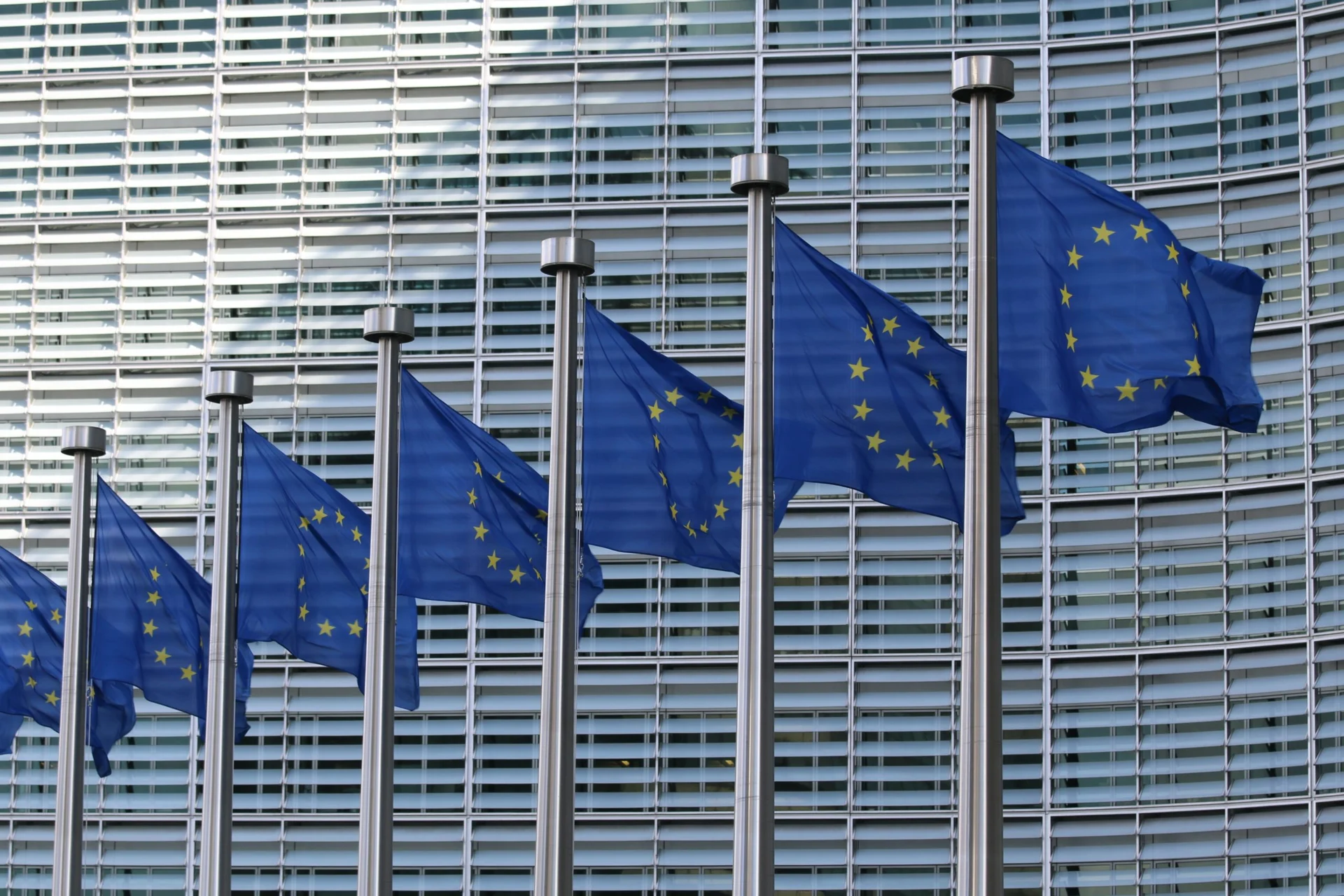
In early 2021, the European Union approved the Next Generation EU (NGEU) plan, a project that will chart a course for recovery towards a more digital and sustainable future. These European funds, also known as Next Generation Funds, have a dual objective: to contribute to economic recovery and job creation, and to be transformative, making the economy much more resilient in the future.
Under this plan, Spain will receive up to €72 billion over the next three years. How will this aid be structured? What impact will it have on the real estate sector? We'll tell you in this post.
What regulations will govern the management of Next Generation Funds?
The management of the Next Generation EU Funds will be regulated by Regulation 2020/2094 of 14 December 2020, which establishes the European Union's Recovery Instrument following the COVID-19 crisis, as well as by the regulations governing each of the specific programs that comprise it.
In our country, Royal Decree-Law 36/2020, of December 30, includes the urgent measures adopted for the modernization of the Public Administration and the execution of the Recovery, Transformation and Resilience Plan. This Royal Decree-Law is complemented by the regulations governing the procedure by which the funds are channeled, such as the Public Sector Contracts Law, the General Subsidies Law, etc.
How will the funds be distributed?
In addition to the usual mechanisms and regulations (European State Aid Framework, competition regulation, etc.), our country will have three lines of distribution of the Recovery Plan funds:
- The Strategic Projects for Economic Recovery and Transformation (PERTE), a new form of public-private collaboration that identifies unique projects.
- Subsidies for the financing of private assets.
- Contracts for the financing of public assets through tenders.
How much money will be distributed among the Ministries?
The Government will also distribute Next Generation funds among the various Ministries.
- Ministry for Ecological Transition and the Demographic Challenge: €6,805.22 million, primarily allocated to energy: renewables, electrical infrastructure, smart grids, and storage. It will also "collaborate" in other areas not strictly within its remit: digitalization, communications, and housing rehabilitation and urban regeneration.
- Ministry of Transport, Mobility and Urban Agenda: 4,982.35 million that will be mainly allocated to housing rehabilitation and mobility.
- Ministry of Economic Affairs and Digital Transformation: 3,653.69 million to be allocated to objectives related to business and administrative digitization.
- Ministry of Health: 2,943.99 million euros.
- Ministry of Education and Vocational Training: 1,852.55 million.
- Ministry of Industry, Trade and Tourism: 1.708 billion.
- Ministry of Labor and Social Economy: 1,167.48 million.
- Ministry of Science and Innovation: 1,101.73 million.
- Ministry of Social Rights and Agenda 2030: 916.85 million.
- Ministry of Agriculture, Fisheries and Food: 406.5 million.
- Ministry of Territorial Policy and Public Function: 239.87 million.
- Ministry of Culture and Sport: 206.29 million.
- Ministry of Universities: 203.9 million.
- Ministry of Inclusion, Social Security and Migration: 183.67 million.
- Ministry of Foreign Affairs, EU and Cooperation: 127.62 million.
- Ministry of Equality: 48.59 million.
- Ministry of Justice: 27.74 million.
- Ministry of Defense: 25 million.
- Ministry of the Interior: 6.25 million.
- Social Security: 27 million
How will European funds affect the real estate sector?
Between 2021 and 2023, Spain will receive €60 billion in grants and up to €80 billion in loans from the Next Generation EU funds, of which approximately €5.8 billion will be allocated to renovating half a million homes. These funds will have broad coverage and will benefit many sectors, boosting the business sector and supporting both large and small and medium-sized enterprises.
The arrival of these funds will represent a great opportunity for the real estate sector in several aspects:
- A boost for housing rehabilitation: Currently, around 30,000 homes are being rehabilitated each year, and the aim is to reach 300,000 homes by 2030.
- Modernization of the building stock and decarbonization of the sector.
- Boost to the construction sector and therefore to the percentage that these activities contribute to GDP.
How can these funds help me if I own a home?
The requirements for accessing these funds have not yet been finalized, but some of the main guidelines are known. A total of €3.42 billion is earmarked for rehabilitation in residential areas, another €1 billion will be dedicated to the construction of 20,000 social rental homes in energy-efficient buildings, €1.08 billion will be used to restore public buildings, and a further €1 billion will be allocated to promoting building improvement projects in municipalities with fewer than 5,000 inhabitants, which are mainly located in the most sparsely populated areas of the country.
Most of these investments will be allocated to the rehabilitation of the building envelope (facades and roofs) to enhance thermal and acoustic comfort , the use of renewable energies in the heating, cooling, ventilation and hot water installations, and the implementation of electricity generation technologies using sustainable sources in the building.
Having a sustainable home not only contributes to the conservation of the planet, it also helps us reduce costs on our electricity, gas, heating or water bills .
The role of financial institutions in NGEU funds
At UCI, we aim to raise awareness among property owners and the entire real estate sector to create a present and future of "green" homes : sustainable, environmentally friendly homes powered by renewable energy sources, built for comfort and well-being, and designed to help us save on household expenses. In short, healthy homes that improve the lives of their owners and the planet.
In this sense, financial institutions can act as a channel for the distribution of Next Generation funds and loans, facilitating access to Green financing and contributing to the sustainability of the real estate stock.
We will keep you informed.


