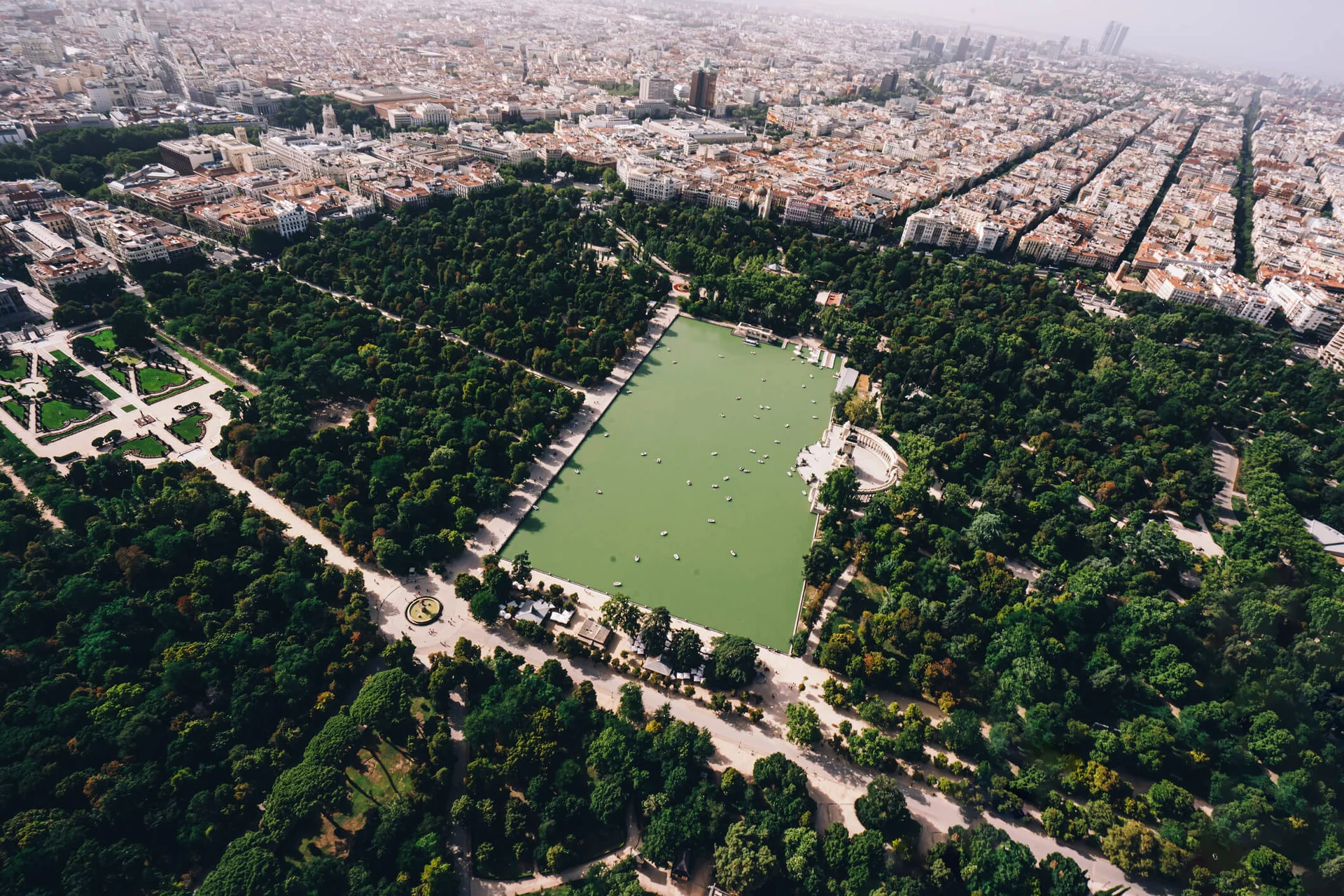
Rewilding cities is an innovative approach that seeks to restore and reintegrate nature into urban environments. As urban areas grow, the loss of green spaces and environmental degradation have become significant problems. This article discusses its importance and benefits for cities and their inhabitants.
What is Urban Renaturalization?
Urban rewilding is the transformation of urban spaces into greener, more natural environments. It involves reintroducing natural elements such as green areas, trees, rivers, and wildlife habitats into the city. This process aims to balance urban development with biodiversity and the benefits of ecosystems.
This process not only improves the quality of life for residents, but also contributes to environmental sustainability and the resilience of cities to climate change.
Importance and benefits of renaturalization
1. Improved air quality:
The addition of green spaces, such as parks and gardens, helps filter the air and absorb pollutants, releasing oxygen and resulting in a healthier environment for residents. Furthermore, vegetation can filter rainwater and reduce the risk of flooding by absorbing excess water, as well as lower the temperature.
2. Reduction of the 'Heat Island' effect and mitigation of urban warming :
Urban areas are generally warmer than the surrounding rural areas due to heat retention in buildings and pavements. Vegetation and natural surfaces can help to cool the ambient temperature.
3. Sustainable drainage:
Natural spaces absorb and manage rainwater, reducing the risk of flooding and improving water management and use.
4. Mental and physical well-being :
The natural spaces in the city provide places to relax, exercise and connect with nature, which contributes to the overall well-being and improves the mental health of residents.
5. Promotion of biodiversity:
By reintroducing native vegetation and natural habitats into cities, we can promote the diversity of plant and animal species, contributing to the health of the urban ecosystem and restoring damaged ecosystems.
6. Promoting interaction between communities:
Creating natural spaces in cities provides an opportunity for people to meet and participate in community activities, leading to greater interaction among its inhabitants.
How is it done?
As we have discussed previously, urban rewilding involves reintroducing elements of nature into urban spaces and environments, which can lead to the creation of elements such as:
- Parks and Green Spaces: Creation and expansion of urban parks, community gardens and green areas.
- Ecological Corridors: Connecting natural areas to allow the movement of species and promote biodiversity.
- Green Roofs and Planted Walls: Use of plants on roofs and walls of buildings to improve energy efficiency and aesthetics.
- Restoration of Watercourses: Rehabilitation of urban rivers and streams to improve water quality and aquatic habitat.
This process requires planning and design by local authorities, or by homeowners' associations in the case of green roofs. Reintroducing native species or implementing rainwater harvesting solutions can significantly improve the quality of life in cities.
With increasing urbanization and climate change, the rewilding of cities is becoming essential. These actions not only improve the quality of life for citizens but are also crucial for addressing the planet's climate emergency.


