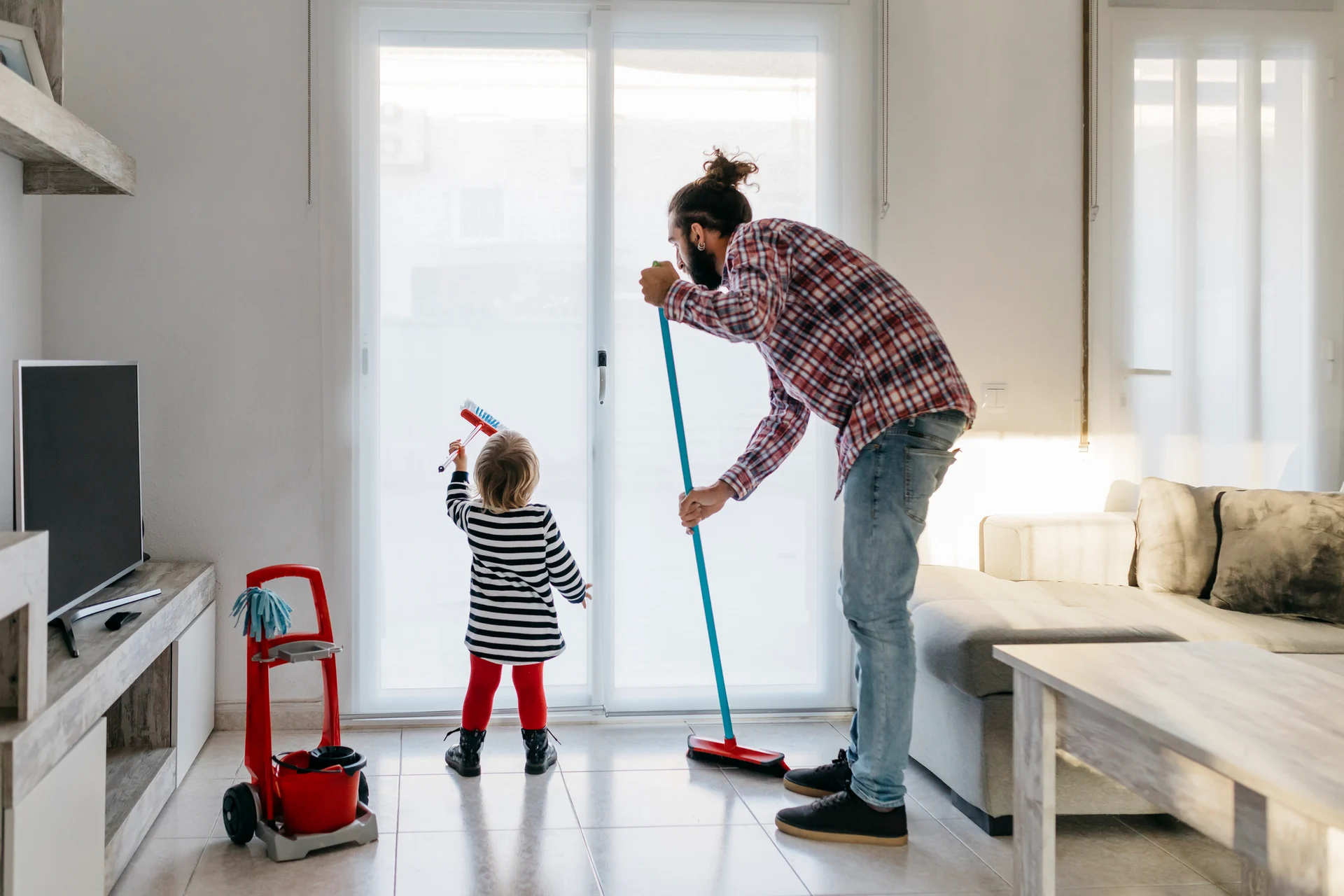
It may seem like a passing trend, but understanding the concept of shared responsibility at home is fundamental to fostering a harmonious and equitable environment. From the division of household chores to joint decision-making, shared responsibility promotes equality, respect, and collaboration among household members. Let's take a closer look at what this concept entails and why its implementation can be so transformative.
Shared responsibility at home: more than just housework
Shared responsibility in the home refers to the equitable distribution of responsibilities and commitments among family members. It goes beyond simply sharing household chores and encompasses emotional, financial, and decision-making aspects. It involves recognizing and valuing the contributions of each household member, regardless of gender, age, or traditional role.
Why is co-responsibility at home so important?
1. Gender equality and equity: In the current context, co-responsibility plays a crucial role in promoting gender equality. It breaks with the traditional roles assigned to men and women in the home, promoting equity and equal participation in all areas of family life.
2. Strengthens family relationships: By fostering an environment where all members feel valued and heard, shared responsibility strengthens family bonds. Children learn values of collaboration and mutual respect, which helps build healthy and sustainable relationships in the long term.
3. Personal Development and Self-Esteem: Shared responsibility gives each member of the household the opportunity to develop diverse skills, from time management to problem-solving. This fosters a sense of accomplishment and boosts individual self-esteem, creating a positive and enriching home environment.
4. Emotional well-being and stress reduction: When everyone contributes equally at home, the emotional and physical burden on any one person is reduced. Sharing tasks and responsibilities alleviates stress and promotes a more relaxed and harmonious home environment.
5. Positive role model for future generations: By adopting shared responsibility at home, a positive role model is established for future generations. Children are taught the importance of collaboration and mutual respect, which contributes to the development of individuals with an egalitarian and committed mindset.
What strategies can you implement to promote co-responsibility in your home?
1. Open and respectful communication: Foster an environment where all family members feel free to express their opinions and needs without fear of judgment or criticism.
2. Equitable allocation of tasks: Establish a system where responsibilities are distributed fairly, taking into account the individual skills and preferences of each family member.
3. Joint decision-making: Involve all members in making important decisions that affect the household, whether it is planning family activities or dealing with financial matters.
4. Recognition and appreciation: Appreciate and acknowledge the contributions of each household member, whether through words of encouragement, gestures of gratitude, or small rewards that reinforce the importance of their participation.
5. Flexibility and adaptability: As circumstances change, maintain flexibility in the distribution of tasks and roles to adapt to the changing needs and responsibilities of each family member.
In short, shared responsibility at home is much more than simply dividing chores. It's a mutual commitment to working together, respecting each other's strengths and limitations, and fostering an environment of equality and support. By implementing strategies that encourage shared responsibility, not only are family relationships strengthened, but a positive model is set for future generations, thus promoting lasting change in society.


