The war in Ukraine has had a direct impact on Spain, with a sharp rise in prices since the conflict began. In June, inflation climbed to 10.2%, reaching the highest figure in the last 37 years , according to the latest data from the National Statistics Institute (INE). This high inflation, driven by rising fuel and food prices, among other factors, continues to strain the savings and financial plans of many Spanish families as they head into summer, the peak spending season of the year.
So much so that 43% of Spaniards who had planned to travel in July and August have decided to modify or cancel their holidays , according to a Sigma Dos survey. Therefore, it is likely that many Spaniards will decide to extend their summer stay at home in order to save money , but at the cost of increasing household spending, which is already at high levels.
In fact, household spending associated with housing grew by 17.5% in May 2022 compared to the same month last year, despite the drop in the price of electricity to 200 euros/MWh, according to the latest estimates from the INE.
Given this situation for many Spanish households, at UCI we have prepared a series of key tips to combat rising prices at home this summer.
1. Make the most of natural light
Spain receives approximately 15 hours of sunlight in the summer, making it one of the sunniest countries in the world . Making the most of these summer hours by opening curtains and blinds is a simple and effective way to save on your electricity bill.
When it comes to turning on the lights, there are also ways to save. In this regard, replacing traditional incandescent bulbs with LEDs can result in savings of over 80% on your electricity bill , as they require significantly less energy to operate while providing the same amount of light. Furthermore, their average lifespan is much longer, approximately nine years, compared to the average year and a half that incandescent bulbs last.
2. Adjust the air conditioning
Electricity bills often increase considerably during the summer. This is usually due to air conditioning , which, depending on the model, can consume between 0.99 kWh and 3.00 kWh, and up to 90% more energy than a fan. It's an energy-intensive appliance, but it also becomes necessary in months when temperatures can easily reach 40°C. Therefore, its efficient use becomes crucial during the summer months.
It's important to remember that the ideal temperature for a home is between 24°C and 26°C , as energy consumption increases by 8% for every degree the temperature drops. Therefore, instead of turning on the air conditioning first thing in the morning, it's best to take advantage of the cooler temperatures and fresher air in the early morning and evening to open the windows and ventilate the room.
The choice of air conditioner is also important when determining its energy-saving capabilities. It's best to choose units with an inverter system , as their constant operating speed can make them up to 40% more efficient. It's also essential to check that they have a high energy efficiency rating, at least A++ , and to install them where sunlight enters the room to prevent direct sunlight from affecting their performance. Proper maintenance and cleaning of the filters will also increase efficiency.
3. Be mindful of your internal body temperature
To save energy in every way, it's necessary to pay attention to the temperature of your home, but also to your body temperature. The clothes you wear in the morning will directly affect your internal temperature throughout the day, so it's highly recommended to choose cool and breathable garments, such as cotton or linen. This will delay the need to turn on the air conditioning or fan.
4. Seasonal and locally sourced food
In addition to paying attention to our clothing, it's essential to pay attention to what we eat, as it contributes to household expenses and also to global warming. It's estimated that food transportation is responsible for 6% of greenhouse gas emissions . Consuming seasonal and locally sourced foods, produced as close as possible to where they are eaten, will reduce household expenses, support the local economy, and leave a smaller ecological footprint .
5. Small gestures to save on electronic devices
Many companies opt for remote work during the summer months, which can increase electricity bills due to the continued use of devices like computers. In this situation, avoiding leaving these devices in standby mode , as they continue to consume electricity, and using LCD screens for work could save up to 37% on energy .
Other appliances, such as the dryer, also register a very high energy consumption (270 W per hour on average), although summer is one of the best times to hang clothes outdoors and not turn on the dryer.
6. Pool maintenance
In 2021 alone, more than 30,000 new swimming pools were built in Spain, 5.2% more than in 2020, with a 10% growth, especially in residential pools, according to the Spanish Association of Professionals in the Swimming Pool Sector (ASOFAP).
Having a swimming pool at home involves a significant extra expense , both in terms of energy and water. For example, filling a pool of about 50 cubic meters can cost approximately 100 euros, so it's advisable to look for solutions to keep the water clean and fresh for as long as possible, especially during these times of drought.
One of the most effective solutions is to cover the pool with tarpaulins when it's not in use to prevent water evaporation in high temperatures, which can save up to 60% on water usage. For cleaning, it's best to perform the filtration and purification process at night, when electricity rates are lower and the pool won't be used.
7. Use awnings and blinds
A simple trick is to use awnings and blinds during the hottest hours to keep your house cooler throughout the day. This small action can reduce energy costs by up to 60%.
8. Install an automatic irrigation system
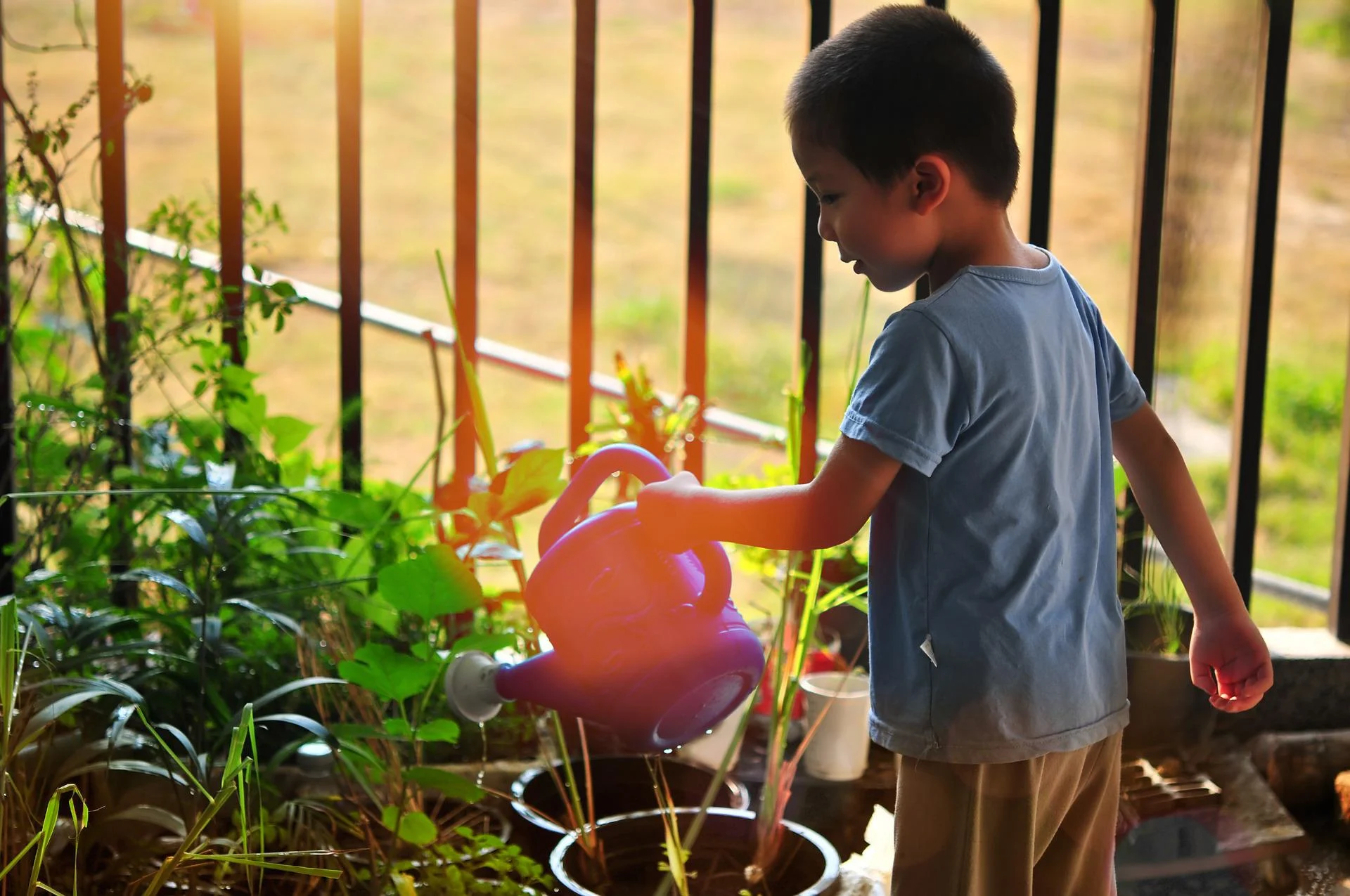
Maintaining a lawn and garden at home requires significant upkeep , reaching up to €160 per month, including cleaning, weeding, and watering. This makes the installation of automatic irrigation systems essential. These systems use water much more efficiently, allowing for savings of between 40% and 60% . Furthermore, they offer added convenience by keeping the garden in good condition, even when the residents are away.
9. Installation of solar panels
This is a clean and inexpensive form of energy that can help reduce your bill by around €800 per year, with an investment of approximately €6,000. Furthermore, solar panels are also notable for their versatility because thermal panels also generate hot water, eliminating the need for more traditional systems like boilers, which can account for up to 26% of a household's energy consumption.
10. Thermal insulation in summer
Although the common perception is that home insulation helps keep homes warmer during the colder months, its actual function is to reduce the rate at which heat moves between two spaces . This means that a well-insulated house will prevent it from overheating during the summer, thus reducing the need for excessive air conditioning.
To improve this aspect and maximize the insulation effect in warm temperatures, it's necessary to create a good barrier in floors and walls to prevent heat from entering the interior during the hottest hours. Cellulose, in this sense, is an environmentally friendly and highly efficient insulating material, allowing for savings of more than half on home heating and cooling costs.


