Madrid, July 21, 2026. The new heat wave sweeping across much of Europe has once again highlighted the importance of thermal comfort in homes. However, almost one in two Spaniards say they cannot maintain a comfortable temperature in their homes on a regular basis, according to the 4th Observatory on Housing and Sustainability by UCI, Unión de Créditos Inmobiliarios , a specialist in sustainable housing finance.
The study reflects that thermal comfort has become an increasingly relevant indicator of housing quality. Beyond energy consumption, the ability of homes to maintain stable temperatures directly influences the well-being of families, especially during periods of extreme heat such as those experienced in recent weeks.
Specifically, 46.4% of Spaniards report not regularly enjoying a comfortable temperature in their homes. Of these, 27.6% say their homes only reach a comfortable temperature occasionally, 14% say it rarely happens, and 4.8% say they never manage to maintain a comfortable temperature. Only 9.5% of Spaniards say their homes always maintain a comfortable temperature.
“The heat waves we are experiencing demonstrate that energy efficiency is no longer just a matter of sustainability or cost savings. It is also a matter of well-being, health, and adaptation to climate change. Adapting our homes to maintain stable temperatures will become increasingly important to protect families and reduce their vulnerability to extreme weather events,” says Laura Visier, Director of Rehabilitation at UCI. 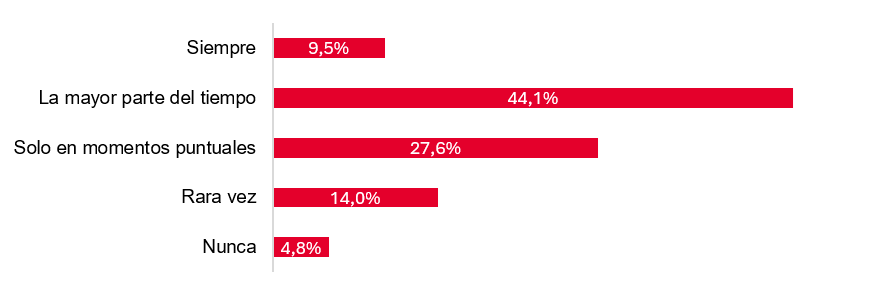
Figure 1. Perception of adequate temperature in the home during periods of extreme cold/heat
The warmest regions face the greatest difficulties in maintaining thermal comfort
Climatic differences and the characteristics of the building stock mean that the perception of thermal comfort varies significantly between autonomous communities. According to the UCI report, the communities with the highest proportion of homes that do not enjoy regular thermal comfort are largely concentrated in areas particularly exposed to high temperatures.
Thus, the Region of Murcia registers the highest percentage, with 57% of households reporting that they do not regularly maintain an adequate temperature. It is followed by Andalusia and Extremadura, with 55%; and the Balearic Islands, with 51%.
At the opposite end of the spectrum, Castilla y León, Aragón and Cantabria are the communities with the highest perception of regular thermal comfort.
The results show how rising temperatures are changing the way citizens perceive the quality of their homes. While energy efficiency was traditionally associated with protecting homes from the cold during winter, today the ability to keep heat out during the warmer months is becoming a key factor in habitability, health, and urban resilience. 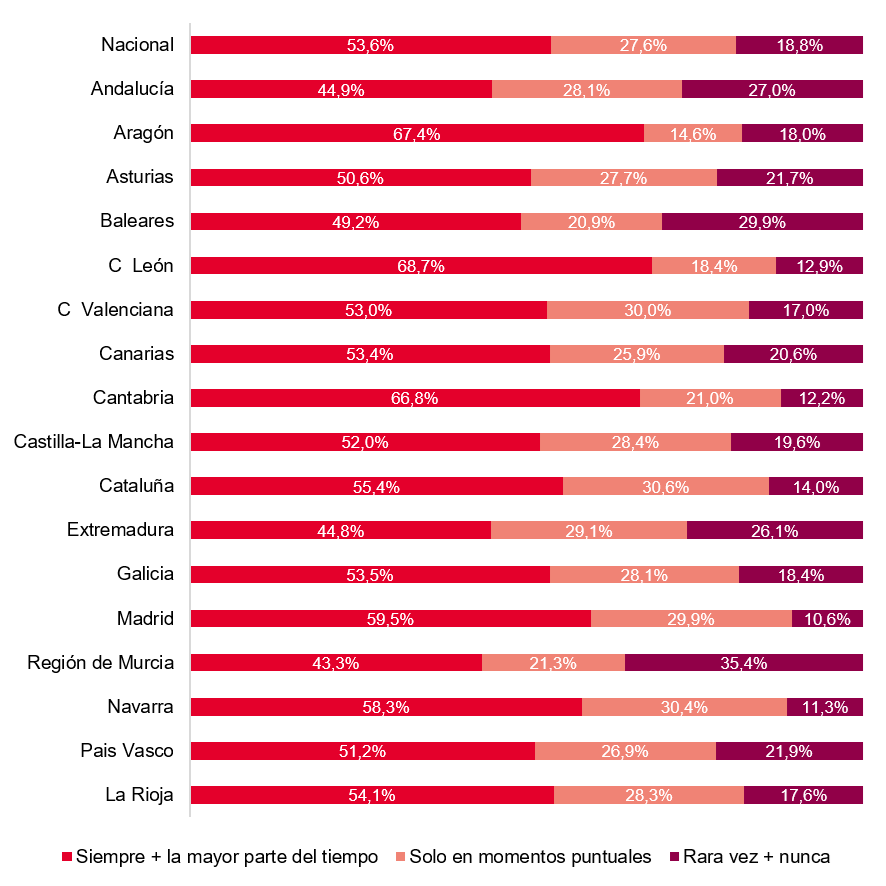
Figure 2. Perception of adequate temperature in the home during periods of greatest cold/heat by Autonomous Community
Households with less savings capacity are the most exposed to thermal discomfort
The ability to maintain a comfortable temperature at home is also influenced by household finances. According to the UCI Observatory, among those who struggle to save money at the end of the month, a significantly higher percentage of people are only able to maintain a comfortable temperature at home occasionally, rarely, or never.
Specifically, 30% of households that don't save money at the end of the month say their homes only reach a comfortable temperature occasionally, 21% say they rarely do, and 10% say they never maintain a comfortable temperature. Among those who do manage to save, these percentages drop to 27%, 13%, and 4%, respectively.
These data highlight the social dimension of building efficiency. Homes with poorer thermal performance force households to make a greater financial effort to maintain adequate comfort levels, a situation that intensifies during periods of intense heat or cold. 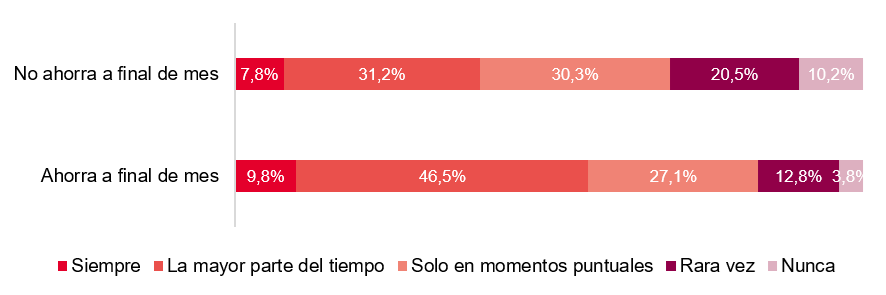
Figure 3. Perception of adequate temperature in the home based on the ability to save
Energy rehabilitation, a response to adapt homes to an increasingly demanding climate
Given this reality, energy-efficient renovation is becoming a key tool for improving the thermal comfort of homes and reducing energy consumption. Actions such as improving thermal insulation, replacing windows, working on facades and roofs, installing solar shading systems, and upgrading heating and cooling equipment can all contribute to maintaining more stable indoor temperatures throughout the year.
The good news is that the UCI study shows a high level of public willingness to undertake these types of projects. 87.3% of Spaniards would invest in renovations to improve the energy efficiency of their homes, with an average planned expenditure of €12,258, 6% more than in 2025.
Among the main reasons for renovating, the most prominent are savings on energy bills, mentioned by 77% of respondents, and improved thermal comfort, cited by 70%. The most requested improvements are the installation of insulated windows, considered necessary by 61%, and improved thermal insulation, indicated by 60%. 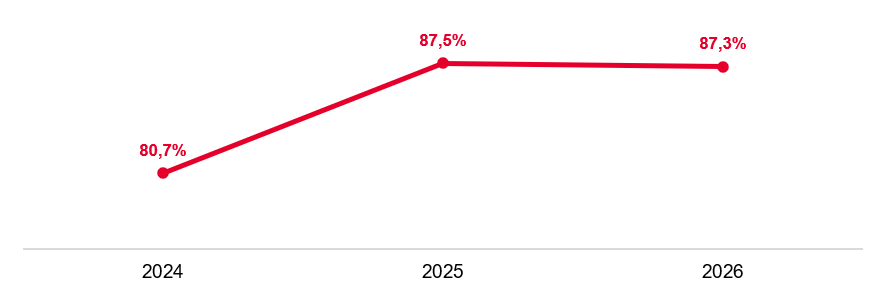
Figure 4. Willingness to invest in reforms that improve housing efficiency
In this regard, the Director of Rehabilitation at UCI points out that: “Homes don't function in isolation. In a country where 70% of citizens live in apartment buildings, taking action on collective assets is one of the best investments to improve the quality of life for families, reduce energy consumption, and make our homes more resilient.”
Funding is key to maintaining the pace of rehabilitation after the end of Next Generation funds.
Although the willingness to improve the energy efficiency of homes is high, the initial cost remains one of the main barriers to undertaking renovations.
In this regard, 42% of Spaniards would request a loan to cover the costs of a renovation, compared to 39% recorded in 2025.
With the end of the Next Generation EU Funds, financing takes on a decisive role in facilitating these actions, by allowing the economic effort to be spread over time and making energy efficiency improvements more accessible in both individual homes and residential buildings.
“Each episode of extreme heat reminds us that a prepared home is our best ally. Renovating not only allows us to reduce energy costs or increase property value, it means improving people's quality of life and adapting the building stock to the climate challenges of the coming decades. The challenge lies in making it easier for households and homeowners' associations to undertake these projects,” adds Laura Visier, Director of Renovation at UCI.


