The European Union (EU) is moving forward with a Cyber Resilience Law that aims to ensure all internet-connected digital products have cybersecurity measures throughout their entire lifecycle. What is Cyber Resilience and why is it so important? We'll tell you.
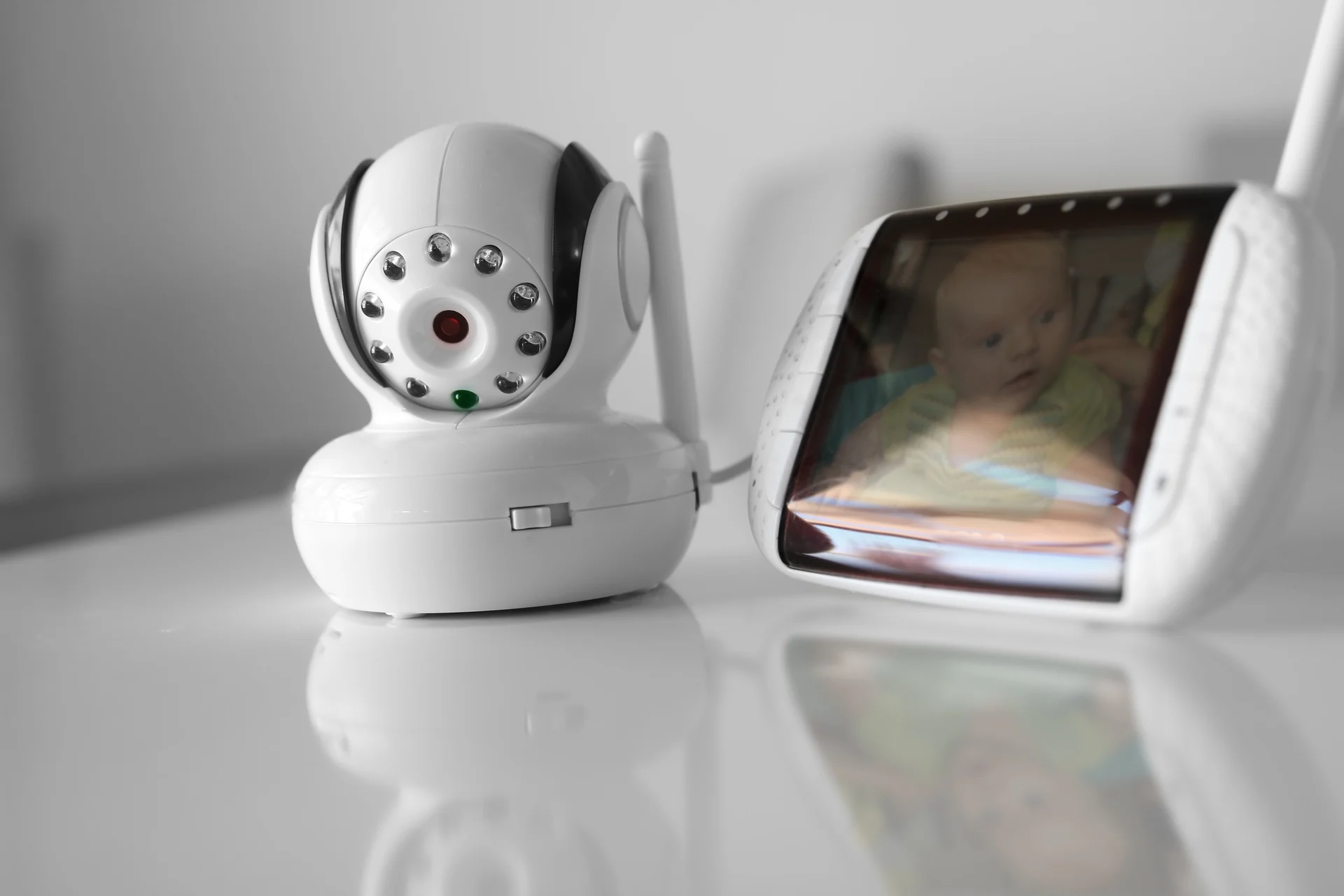
The smartwatch you wear when you go for a run, the smart speaker that wakes you up with music every morning, the security camera that monitors your car in the garage, or the baby monitor that lets you keep an eye on your sleeping baby. All these devices have one thing in common: they're part of our daily lives. In fact, according to our first Housing and Sustainability Observatory, approximately half of Spaniards (49.2%) report having IoT (Internet of Things) technologies in their homes. However, what's not so obvious is the security risk these devices can pose. This is where cyber resilience comes into play and is crucial for ensuring the protection of our household appliances and, by extension, our own safety.
What is cyber resilience?
Cyber resilience refers to a system's ability to resist, adapt to, and recover from cyber threats. In the context of connected homes, this means implementing security measures that not only prevent attacks but also allow for rapid recovery in the event of a security breach.
Importance of cyber resilience in household appliances
1. Emerging Vulnerabilities: As we add more devices to our home network, the attack surface for cybercriminals also increases. Cyber resilience becomes an essential shield to prevent intrusions.
2. Protecting Sensitive Data: From personal information to financial data, our home devices are increasingly storing more data. Cyber resilience ensures that this data is protected against threats such as identity theft and ransomware, also known as data kidnapping.
3. Service Continuity: Imagine relying on connected devices for everyday tasks. Cyber resilience would guarantee service continuity, preventing disruptions to essential functions and ensuring that daily life is not affected by cyberattacks.
4. Updates and Patches: Connected devices often require security updates. Cyber resilience involves keeping these devices up to date with the latest patches and updates, thereby strengthening their ability to resist threats.
What is the EU Cyber Resilience Act?
According to the European Union's website, the Cyber Resilience Act aims to protect consumers and organizations that acquire or use products with a digital component throughout the entire product lifecycle.
This regulation aims to address the inadequate levels of cybersecurity that many products currently exhibit and will provide a guarantee of security for consumers, confirming that their cybersecurity is protected.
Which products will this standard apply to? Published information states that it will apply to all products connected directly or indirectly to the network or other devices, except for exclusions or services already covered by existing standards, such as automobiles, aviation, or medical devices.
When will it come into force? Following the agreement reached by the European Commission and Parliament at the end of November, its approval depends on the formal approval of both bodies, although it is expected to come into force at the beginning of 2024.
Once the Cyber Resilience Act comes into force, software programs and internet-connected products will carry the CE marking to indicate that they comply with the new standards.
Tips for improving cyber resilience at home
While this regulation will represent a major step forward in cybersecurity for homes, it's important that we take steps to prevent potential security breaches in our daily lives. What can you do?
1. Strong passwords: Use strong passwords and change them regularly to prevent unauthorized access.
2. Automatic updates: Enable automatic updates on your devices to ensure they are protected against the latest threats.
3. Secure network: Set up a secure home network with firewalls and encryption to protect communication between your devices.
4. Family Education: Inform and educate your family about safe online practices to reduce the risk of falling into cyber traps.
5. Antivirus software: Install and regularly update antivirus software on all your devices for an extra layer of protection.
In conclusion, cyber resilience is essential in today's connected home environment. By taking proactive steps to strengthen the security of our devices, we can enjoy the conveniences of the IoT without compromising the integrity of our data and the functionality of our home appliances.


