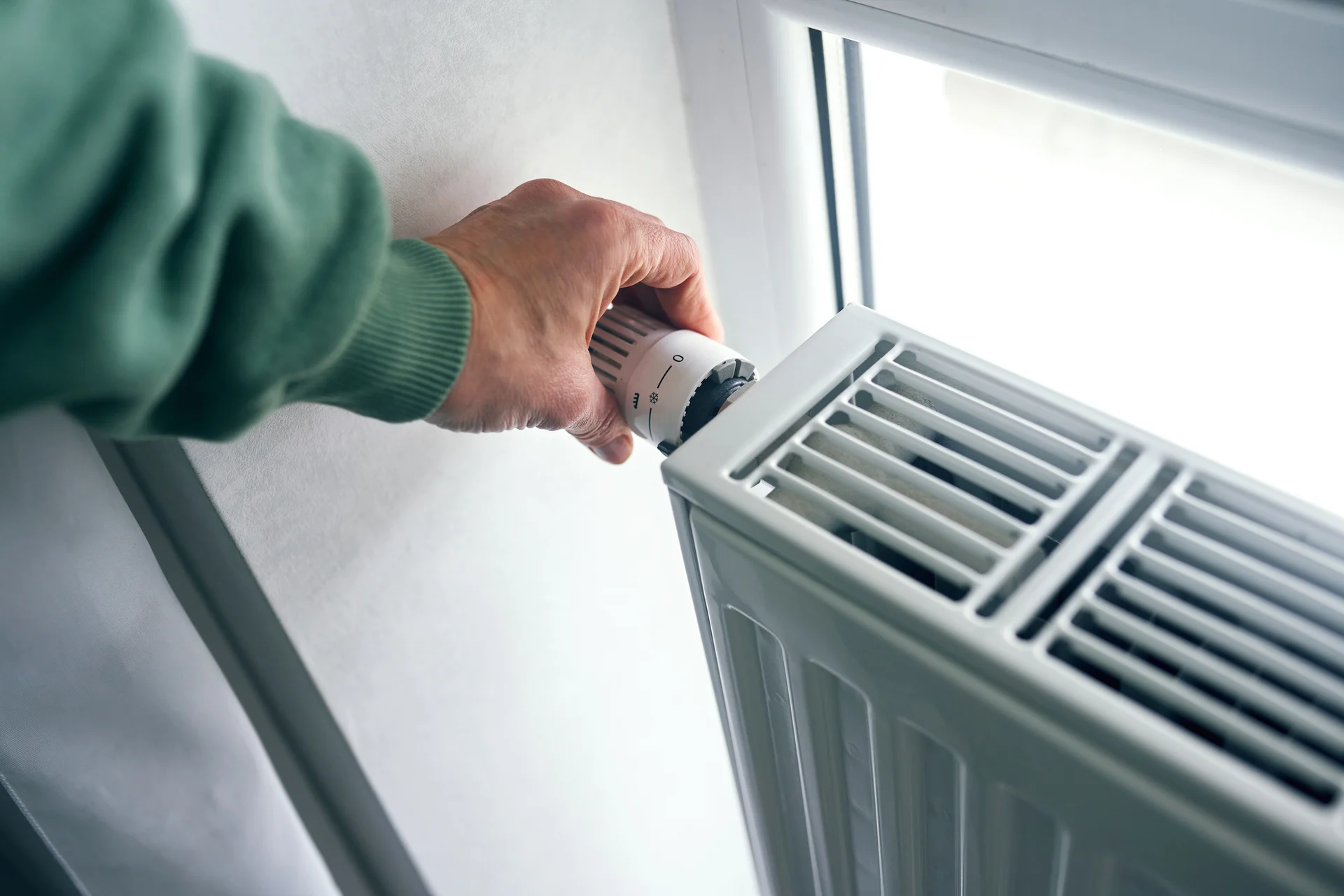
The VAT on gas has increased from 10% to 21% since April 1, 2024. Although this coincides with the arrival of spring and the switching off of heating systems , it represents a significant increase in the cost of gas bills for households.
What impact will the VAT increase on gas have on households?
According to estimates from Selectra or Kelisto, households without heating could face an average increase of €5 per bill, while those with heating could see an increase of up to €6.
Why has the price of gas gone up?
The change in VAT on gas is part of the Government's measures to gradually withdraw the tax breaks implemented during the 2022 energy crisis, with the aim of stabilizing the energy sector in the long term.
Who are the households affected by this increase?
Both households with contracts in the free market and those on the regulated tariff (TUR) are affected by the VAT increase on gas. However, households on the TUR will experience a slight reduction in their bills due to the quarterly review of the wholesale gas price.
How can we prepare our homes for the increase in VAT on gas?
While the impact of this increase would not be very pronounced, it is essential to find ways to mitigate the economic impact of this VAT increase on gas by using energy more efficiently or exploring cheaper alternatives.
Tips to mitigate the economic impact of the VAT increase on gas
Energy consumption optimization
– Make more efficient use of heating by adjusting the temperature to comfortable but moderate levels.
– Take advantage of natural light during the day and turn off the lights when they are not needed.
– Unplug appliances in standby mode to avoid phantom energy consumption.
Improved insulation and energy efficiency
With the arrival of warmer weather, it's advisable to consider potential home improvements to enhance insulation. Furthermore, renovations that reduce reliance on energy sources are eligible for tax deductions until the end of 2024.
What can you do?
– Insulate doors and windows to prevent heat loss.
– Install programmable thermostats to control the temperature automatically and efficiently.
– Consider investing in more energy-efficient equipment, such as condensing boilers or renewable energy systems.
Explore energy alternatives
– Research electricity tariff options that may be cheaper and better suited to the needs of the household.
– To value the use of renewable energies, such as solar energy, to reduce dependence on gas and conventional electricity.
Review of contracts and rates
– Analyze gas and electricity contracts to ensure you are getting the best available rates.
– Compare offers from different energy providers to find the most competitive option in terms of price and conditions.
Raising awareness and education on the responsible use of energy
– Learn about practices and habits that promote responsible and sustainable energy consumption.
– Involve all members of the household in adopting energy-saving measures to maximize long-term economic benefits.


