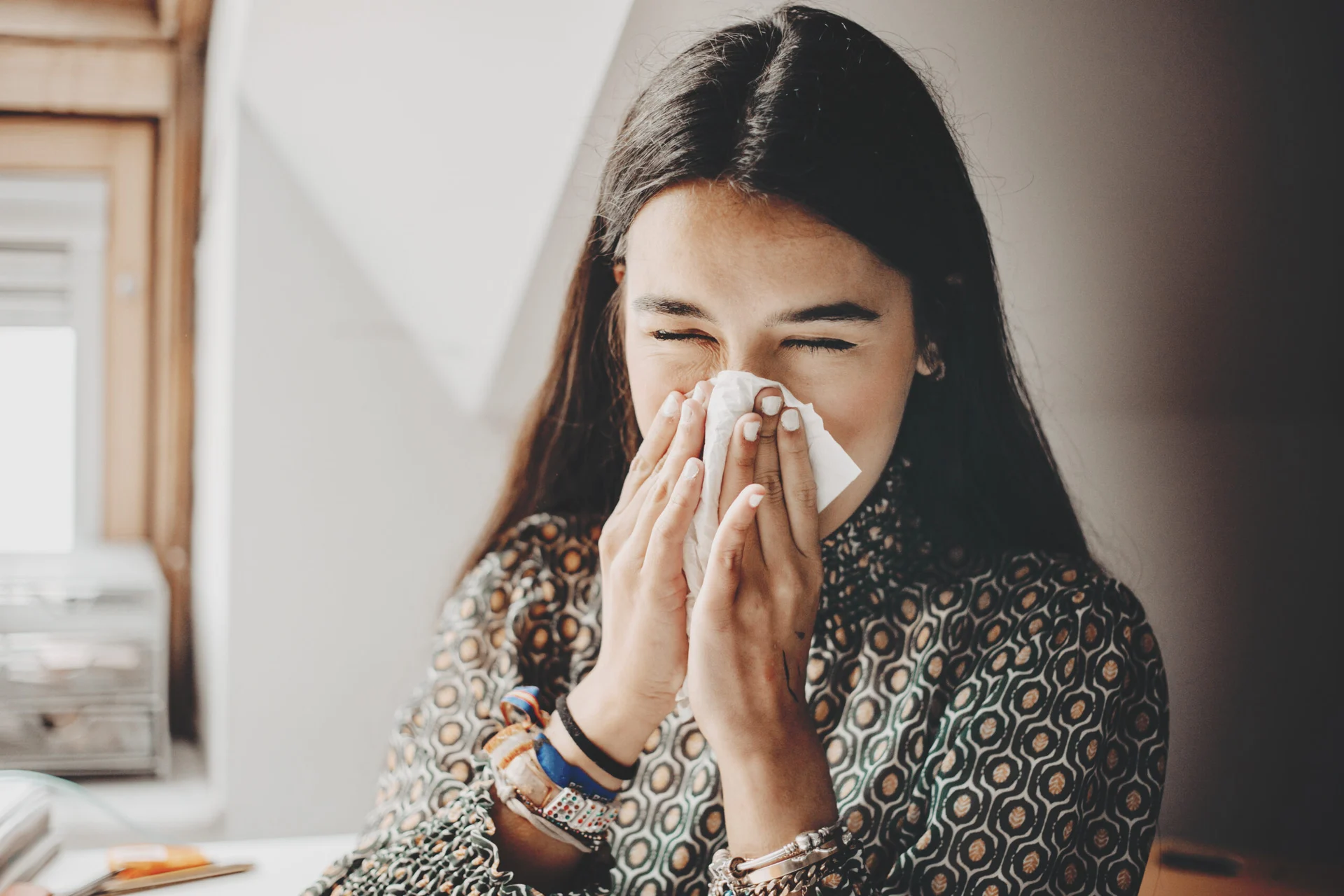
Spring brings the beauty of flowers and the rebirth of nature, but it can also trigger discomfort for those who suffer from spring allergies. Constant sneezing, itchy eyes, and nasal congestion are just some of the symptoms that can make this season a challenge for many.
In fact, expert sources indicate that the abundance of rainfall that has fallen in recent weeks across the country, combined with the higher temperatures with the change of season, will result in intense pollination and, therefore, will fill the air with pollen.
However, transforming your home into a safe haven can make all the difference. Here are some strategies to help reduce spring allergies and make your living space more comfortable:
How do I know if I have allergies or a common cold?
First of all, it's important to be able to distinguish between the symptoms of a spring allergy, pollen allergy, or hay fever, and a common cold. Some signs that you might have allergies include:
- Persistent symptoms: Allergy symptoms tend to last longer than those of a common cold, which usually disappear within a week.
- Itchy eyes or throat: Allergies are often characterized by itching in the eyes, nose, or throat.
- Seasonality: If your symptoms occur at the same time every year, you are likely experiencing seasonal allergies.
If you experience severe or persistent symptoms, it is important to consult a doctor for a proper diagnosis and a personalized treatment plan.
How to keep your home and you safe from spring allergies?
Keep it clean regularly
Dust, pollen, and other allergens can accumulate in the most unexpected corners of your home. Maintain a regular cleaning routine, using a damp cloth to dust furniture, vacuuming carpets, and regularly cleaning sheets and curtains.
Use air filters
Air filters can be an effective tool for trapping pollen particles and other allergens in your home's air. Consider investing in an air purifier with a HEPA filter to keep the air clean and fresh.
Minimizes humidity
Humidity can promote the growth of mold and dust mites, common allergy triggers. Use a dehumidifier to control humidity levels in your home, especially in damp areas like the bathroom and basement.
Keep doors and windows closed
Ventilate your home for only ten minutes in the morning and another ten in the evening. While it's tempting to open the windows to let in fresh air for a few hours, doing so also allows pollen and other allergens to enter your home. Keep your windows closed, especially on days with high pollen counts and during peak pollen hours (generally between 5 a.m. and 10 a.m.).
Check the pollen levels in your area
Find out about pollen levels in your area and which plants are the main cause of allergies. You can check websites or mobile apps for this information.
You can check pollen levels in your area through the following link from the Spanish Society of Allergology and Clinical Immunology.
Use filters in your air conditioner
If you use heating or air conditioning, make sure you use special filters designed to trap dust mites and pollen. Also, don't forget to clean and disinfect the filters regularly.
Use mosquito nets on the windows
Installing mosquito nets on windows is an effective way to prevent allergens from entering. While they don't trap very small pollen particles, they do help to retain dust, leaves, and other larger particles.
Do not hang clothes outdoors
Hanging clothes to dry outdoors or on an outdoor terrace can cause pollen to stick to the textiles.
Install PVC profiles on doors and windows
Install PVC profiles around doors and windows to prevent allergens from entering. These seals help keep the inside of your home more protected.
Minimize outdoor physical activity
Avoid exercising or doing outdoor activities during peak pollen hours. If you enjoy sports, choose earlier in the day or later in the day.
Take a shower when you get home
If you have been outdoors, it is advisable to shower upon arrival and change your clothes on days with high pollen levels.
Foods that help reduce allergy symptoms
In addition to taking care of your environment and following the recommendations of your allergist or primary care physician, you can also reduce the symptoms of spring allergies through your diet. Some foods that can help minimize symptoms include:
- Foods rich in vitamin C and quercetin: Consuming foods such as citrus fruits, strawberries, kiwis, peppers, apples, onions, berries, and broccoli can strengthen the immune system and reduce inflammation.
- Probiotics : Probiotics can be beneficial for people with pollen allergies. They help maintain a healthy balance in the gut microbiota.
- Avoid ultra-processed foods, high in trans fats or sugar, as they can promote inflammation.
- Ginger: It is attributed with anti-inflammatory properties that can relieve nasal congestion and throat irritation.
- Fatty fish: Fish such as salmon are rich in omega-3 fatty acids, which have anti-inflammatory properties and can help reduce the severity of allergy symptoms.
Making your home a safe haven from spring allergies can make a big difference to your quality of life this season. Remember that it's important to consult a healthcare professional for an accurate diagnosis and appropriate treatment plan.


