Madrid, July 16, 2024 – According to data published this Monday by the National Institute of Statistics (INE), May closed with 44,013 housing transactions, bringing the year-to-date total to 249,124 and reflecting a decline after the 24% increase recorded in April. Awaiting the summer months, which are expected to bring a return to increased transaction volume, UCI, Unión de Créditos Inmobiliarios, a specialist in sustainable housing finance, has analyzed the profile of the Spanish homebuyer. The most common purchase is a three-bedroom apartment, typically made by a couple, with an average budget of €174,642. Based on the appraised value of homes published by the Ministry of Housing and Urban Agenda in the first quarter of 2024, this budget would equate to a 93.6 m² home.
By autonomous communities, the Community of Madrid, the Basque Country and Galicia are the regions where the most budget is allocated, while the Canary Islands, Castilla-La Mancha and the Valencian Community are those that allocate the least. 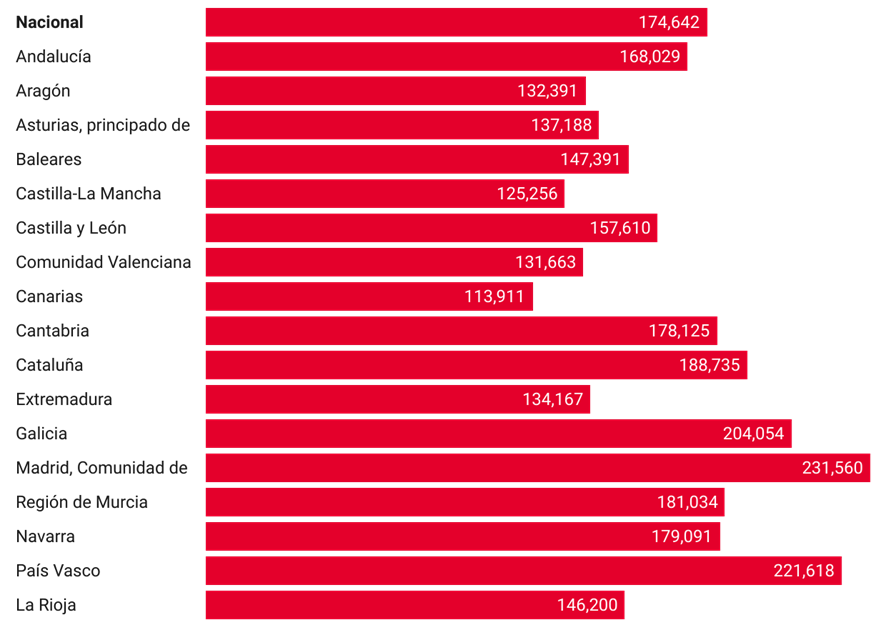
A three-bedroom apartment, the most sought-after type of housing in Spain
Apartments are the most sought-after type of housing. This is according to 52.4% of buyers, who prefer apartments with a terrace (29.4%) to those without (23%).
Following behind, UCI's analysis reflects a decline in interest in single-family homes, from 43.4% in 2023 to 33.3% in 2024. This type of housing is chosen by three out of ten Spaniards, especially among residents of rural areas, while the preference for apartments is rising among residents of larger municipalities with high incomes and those living in city centers. Ground-floor apartments with gardens (7.8%), penthouses (5.1%), and studios (1.4%) are less popular. 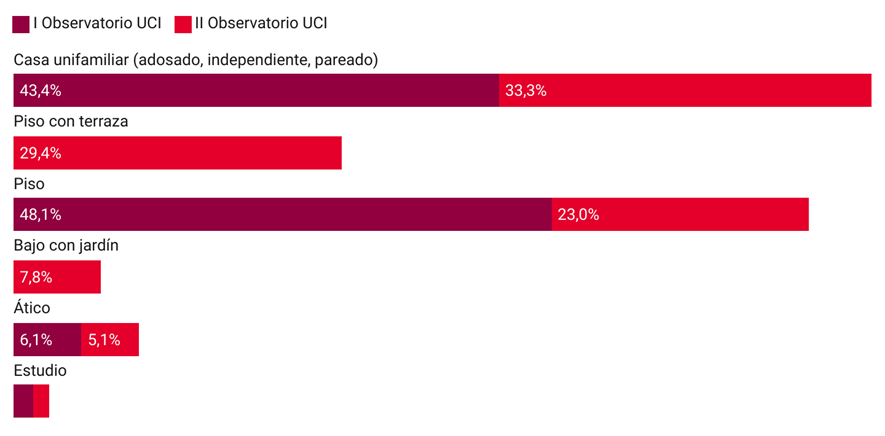
Regarding size, half of Spaniards are looking for homes with three (51.0%) or two bedrooms (27%). A smaller percentage of buyers are searching for homes with four or more bedrooms (16.9%). At the other end of the spectrum, and despite the trend towards so-called micro-apartments, only 1.1% of buyers are looking for studios. 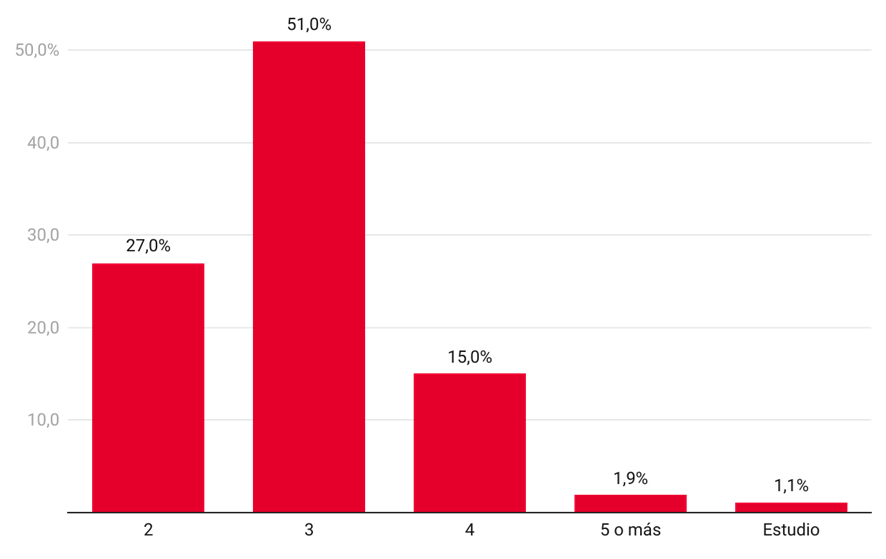
According to Lorena Zenklussen, Commercial Director of Mortgage Financing at UCI: “These data show that, after the trend we experienced after the pandemic, where people were looking for larger homes or single-family houses, the reality of the market shows us that most Spaniards are opting for apartments, although we continue to prioritize those with outdoor spaces such as terraces.”
74% of Spaniards buy as a couple, and single-parent families only account for 6.2% of transactions.
When buying a home, seven out of ten Spaniards prefer to do so as a couple (74%), with children (47%), or without children (26.9%). Single people account for nearly two out of ten sales (19.9%), and only 6.2% of sales are made by single-parent families.
People aged 35 to 54 with an income of over €30,000 and a job are the most likely to shop with their partner and children. Couples without children or without a partner, on the other hand, are mostly younger and have lower incomes.
According to Zenklussen, these figures are explained by the fact that: “Buying a home to settle down is part of the life process for many couples, so it is not surprising that it represents 74% of transactions .” 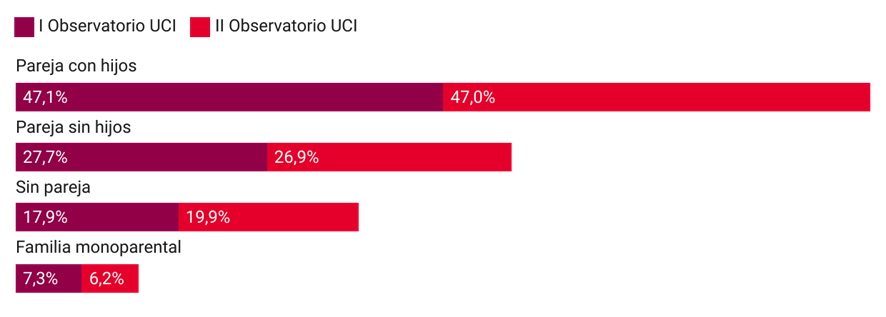
The main motivation for buying a house is, by far, that it be the main residence (72.43%), although this motivation has decreased by almost 3 percentage points compared to 2023, in favor of the purchase of second homes (especially among people with higher incomes, savings and with a home of their own) and the purchase for investment which increased in 2024 by +1.9 and 0.9 pp respectively. 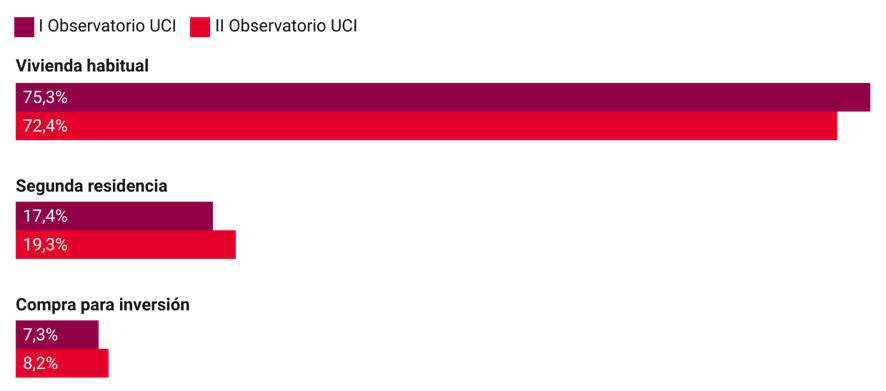
Real estate portals, the first option for finding housing
With a clear budget and desired property type, real estate portals have emerged as the most popular method for finding a home, thanks to their access to a wide variety of properties and the convenience of searching at any time of day. This is confirmed by 48.5% of buyers. Following behind, 22.6% prefer to search through real estate agencies.
Less important is the search through second-hand classifieds applications (11.1%) or the classic method of visiting the area in search of 'apartment for sale' signs (8.1%). 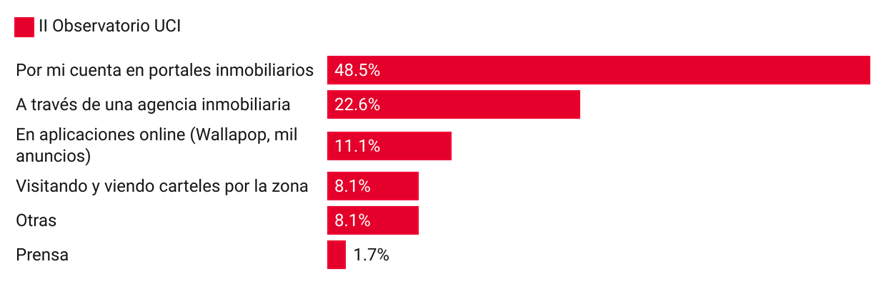
According to Zenklussen: “While portals are the main source of searches, having the advice of real estate or financing experts throughout the purchase process allows buyers to adjust their expectations to their possibilities, avoiding frustrations and wasted time.”
Data extracted from the second edition of the UCI Observatory on Housing and Sustainability. Chapter: “Profile of the Home Buyer.” Study conducted on a sample of 2,010 homeowners and non-homeowners nationwide. See the full report: https://salaprensa.uci.com/wp-content/uploads/2024/05/II-Observatorio-UCI-sobre-Vivienda-y-Sostenibilidad.pdf


