Madrid, September 18, 2025 – Housing is the top concern for Spaniards, according to the CIS September barometer. But what worries those considering buying a home in a context of limited supply? A report by UCI, Unión de Créditos Inmobiliarios, a specialist in sustainable financing, reveals that price is the biggest concern for seven out of ten buyers (72%).
Secondly, buyers point to finding a location that suits their needs (49%), a concern that has been losing ground in recent years: 52% in 2024 and 64% in 2023. Next comes the ability to buy with one's own salary, which has grown by almost two points compared to the previous edition and is a greater concern for women (54%).
Job stability also gains relevance compared to 2024 (39%) , especially among those under 54 years of age (42%), those with gross annual incomes of less than 21,000 euros (48%) and residents of Andalusia (51%).
As a result of the progressive decrease in interest rates, this factor is in fifth place (38%), followed by the possibility of accessing mortgage financing (33%). 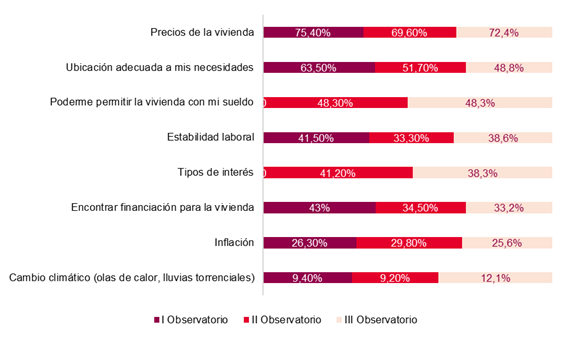
What solutions do Spaniards demand to improve access to housing?
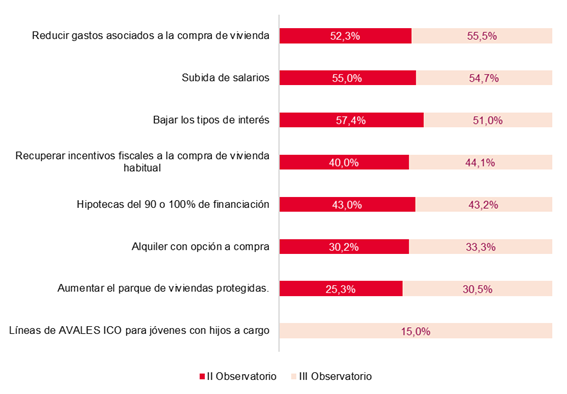
Next, respondents mentioned the reinstatement of tax incentives for primary residence purchases (44%), the granting of 100% mortgages (43%), and, to a lesser extent, rent-to-own options (33%) or the increase in the stock of subsidized housing (31%). In contrast, only 15% consider the ICO loan guarantee program for young people or families with dependent children to be an effective solution.
Lorena A. Zenklussen, Commercial Director of UCI, points out : "Housing continues to be a top concern for citizens, highlighting the major structural challenge facing our society: ensuring fair and sustainable access to an essential commodity. The importance of affordability and job stability in this equation reflects that we are not just talking about the real estate market, but about households' ability to build stable life projects. This data invites us to rethink joint solutions between the public and private sectors, aimed at improving access without compromising families' economic security."


